
President Donald Trump’s proposal for a $5,000 “Trump Dividend” for American adults is drawing support from several Republican lawmakers and administration officials after he unveiled the plan at the Republican midterm convention in Dallas.
Trump said Wednesday that every adult citizen would receive $5,000 if Republicans retain control of both the House and Senate in the Nov. 3 midterm elections. He said the money would have to be spent in the United States and compared the payments to a corporation distributing dividends to its shareholders.
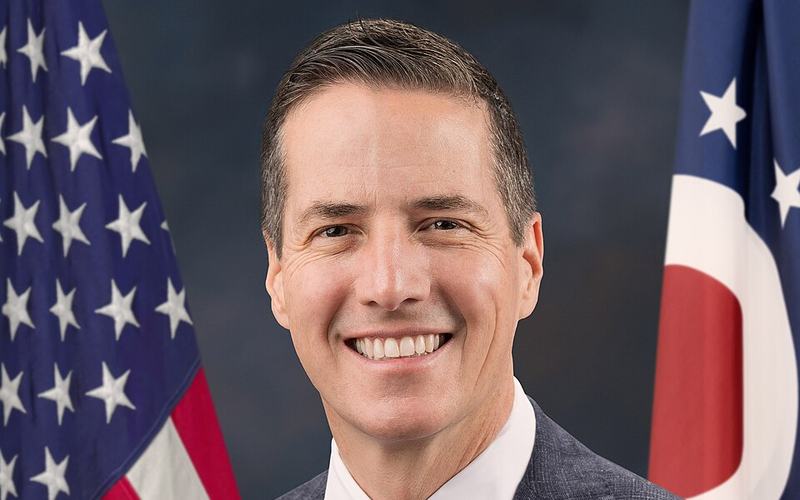
Ohio Sen. Bernie Moreno quickly endorsed the proposal, saying on X that he would “get a bill ready” to pass the Trump Dividend immediately after the election. Kansas Sen. Roger Marshall also expressed support, asking followers how they would spend a $5,000 Trump Dividend.
Vice President JD Vance defended the concept while indicating that the final proposal could differ from Trump’s initial description. Vance suggested wealthy Americans might not qualify and said tariff revenue could be used to help finance the payments.
Senate Majority Leader John Thune, R-S.D., did not specifically endorse the $5,000 payment but said he supported Trump’s broader goal of putting more money in Americans’ hands. Thune also acknowledged that the specific proposal could face the Senate’s 60-vote threshold.
The proposal would represent a substantial expansion of Trump’s previous plans for tariff-funded payments. Trump previously floated $2,000 tariff-rebate checks for Americans who were not high-income earners. His administration also issued $1,776 payments to military service members that Trump called “warrior dividends.”
The cost of the new proposal is one of the biggest unresolved questions. Estimates put the total price at roughly $1.2 trillion or more if payments went to all American adults. The White House has not released a detailed legislative framework or explained how the payments would be administered. Congress would need to authorize the spending.
Tariff revenue has been suggested as a potential funding source, but the amount needed for the payments would be substantially larger than current tariff collections. The funding question is therefore expected to be central to any congressional debate over the proposal.
The proposal does not have unanimous Republican support. Arizona Rep. David Schweikert, a Republican who is leaving Congress at the end of his term, told Reuters that he opposed the idea and raised concerns about inflation, interest rates, and the federal government's fiscal position.
For now, the Trump Dividend remains a proposal rather than an authorized federal payment. Its implementation would depend on legislation approved by Congress and signed into law.

Comments
No comments yet. Be the first to share your thoughts.