
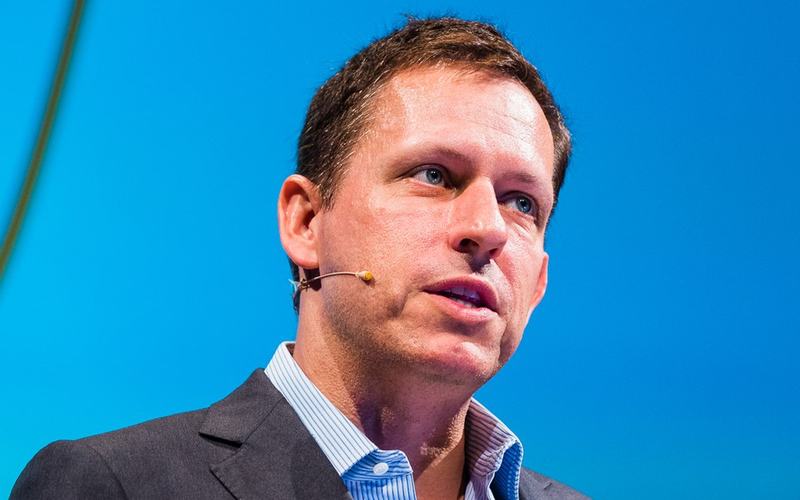
Peter Thiel, the billionaire co-founder of Palantir Technologies and a longtime supporter of President Donald Trump, broke with the administration over the U.S. war with Iran in comments delivered during a lecture series in Nashville.
In audio obtained by Politico, Thiel stated in his third talk on October 12 that the United States should not have engaged in the conflict. "I think we should not have done it," he said. "There were a lot of mistakes that were made."
The remarks come as the Trump administration continues operations against Iran and weighs additional steps to secure victory. President Trump told reporters earlier this week that the United States must decide whether to pursue the objective "the nice way or the not nice way."
Thiel has maintained close ties to the Republican Party and backed Trump in previous cycles. He also played a key role in elevating Vice President JD Vance. His criticism of the Iran campaign marks a notable departure from his past alignment with Trump on foreign policy matters.
The lecture series focused on themes including the Antichrist and drew on historical and philosophical analysis. Thiel referenced past U.S. interventions in the Middle East and expressed skepticism about the current approach. He noted mistakes in earlier wars while questioning the trajectory of the present confrontation.
Reports indicate the United States and Israel have conducted strikes on Iranian targets in recent months. Iranian officials have issued threats of retaliation, and the administration has sought support from European allies.
Thiel's comments were first highlighted in social media posts by journalists covering the event and later reported in detail by Politico. Additional coverage is expected in the outlet's Decoded newsletter.
The development adds to existing tensions within conservative circles over the scope and duration of military involvement in the region. Supporters of a strong posture against Iran argue that decisive action is required to counter Tehran's nuclear ambitions and regional aggression, while critics question the costs and strategic benefits.
Thiel has not issued further public statements on the matter since the lecture. His remarks reflect a shift from his earlier financial and political backing of Trump-aligned causes.

Comments
No comments yet. Be the first to share your thoughts.