
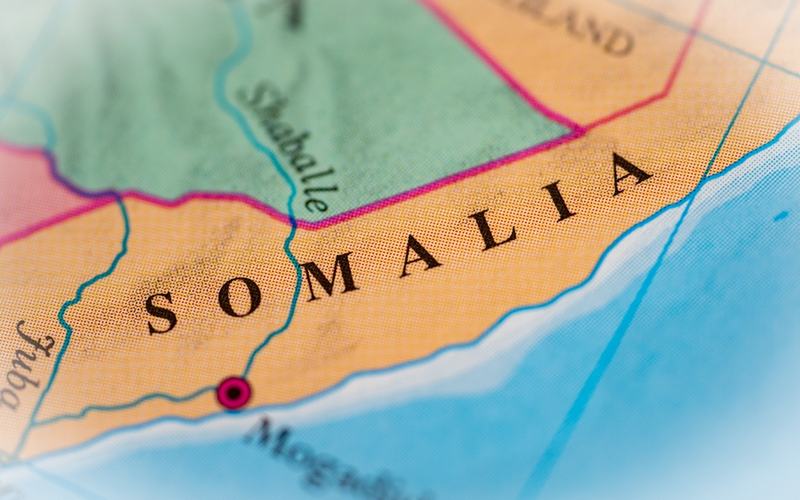
The United Nations Transitional Assistance Mission in Somalia concluded its operations today, marking the end of more than three decades of successive UN political missions in the country.
The closure of UNTMIS followed a two-year transition period agreed upon between the Somali federal government and the UN Security Council. Responsibilities previously handled by the mission have been transferred to Somali institutions, UN agencies, funds and programmes, and the UN office supporting African Union troops.
Somali President Hassan Sheikh Mohamud’s government formally requested the withdrawal of the mission in 2024. The transition aligned with Security Council resolutions 2753 (2024) and 2809 (2025). UNTMIS itself was established in November 2024 to succeed the earlier UN Assistance Mission in Somalia (UNSOM).
UN Secretary-General António Guterres welcomed the progress made by Somalia but noted ongoing political, security and humanitarian challenges. He called for continued international support while emphasizing that the UN would maintain its presence through resident agencies and partnerships with Somali authorities and the African Union.
The mission’s closure reflects a shift toward greater Somali ownership of peacebuilding and state-building efforts. Successive UN political offices had operated in Somalia since the mid-1990s, providing support on governance, elections, rule of law and reconciliation following years of civil conflict.
Some observers noted that relations between Somali governments and the UN mission had been strained at times, with accusations of external interference in domestic politics. The departure removes a long-standing channel for international mediation in political disputes.
UN officials stated that the end of UNTMIS does not signal a full withdrawal from Somalia. Support will continue through other UN entities focused on development, humanitarian aid and security sector assistance alongside the African Union mission.
The transition underscores Somalia’s move toward managing its own institutions and priorities without the framework of a dedicated UN political mission.

Comments
No comments yet. Be the first to share your thoughts.