
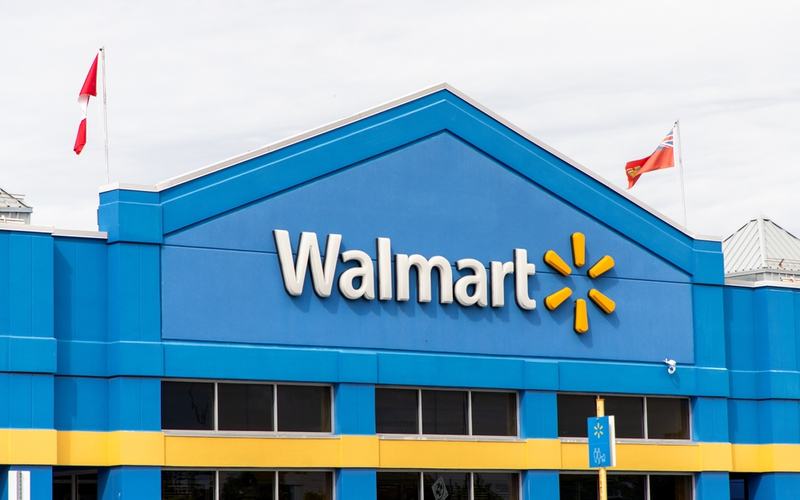
Walmart CEO John Furner is pushing back against concerns that the retailer’s digital shelf labels could enable personalized or dynamic pricing.
Walmart began installing the electronic tags in 2024 and plans to have them in every U.S. store by the end of 2026. The labels allow prices to be updated digitally instead of replacing paper tags. In a letter released Friday, Furner wrote that Walmart does not set different prices based on who a customer is or the time of day “and we won’t.”
He also addressed Sparky, the company’s AI-powered shopping assistant, saying it is meant to serve customers better and will not use personal information to set individualized prices. Walmart said its shopping tools will follow the same pricing standards and that customer data will be used responsibly. Furner reiterated the company’s “Every Day Low Prices” strategy, which he described as inconsistent with personalized pricing.
Critics have warned that electronic labels could make it easier for retailers to adjust prices frequently based on demand, inventory, or competitor pricing. Walmart has said the technology is primarily intended to save employees time and improve pricing accuracy, with changes generally approved outside shopping hours so prices remain stable during the day.
The National Retail Federation has described electronic shelf labels as a communication tool rather than a pricing system and said the technology does not inherently enable surge pricing or customer tracking. Research has found limited evidence of widespread surge pricing after the labels were introduced; one study last year found virtually none at an unnamed grocery chain, while discounts became slightly more common.
In August, the Federal Trade Commission warned that personalized pricing practices could potentially violate consumer protection laws and said companies must disclose how personal information is used when determining prices.

Comments
No comments yet. Be the first to share your thoughts.