
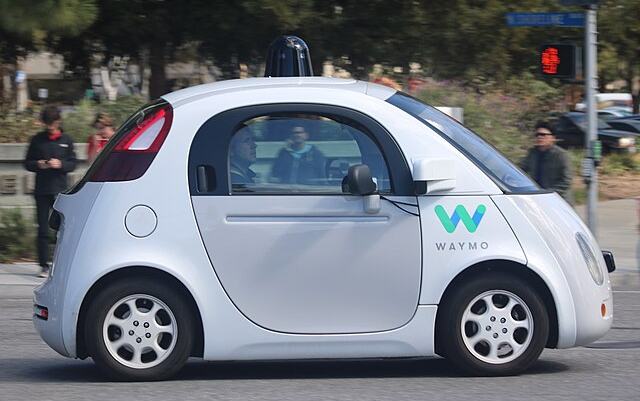
Waymo plans to launch fully autonomous robotaxi services in Madrid, Spain, in 2027, marking another step in the company's efforts to expand driverless transportation beyond the United States.
The company, owned by Google's parent company Alphabet, operates self-driving vehicles that use a combination of sensors, cameras, and artificial intelligence to navigate roads without a human driver behind the wheel.
The planned Madrid launch would bring Waymo's autonomous ride-hailing service to one of Europe's largest cities, where traffic congestion, narrow streets and complex road layouts could present challenges for driverless technology.
Waymo has expanded its operations in the United States in recent years, offering paid autonomous rides in several major metropolitan areas. Its vehicles are designed to identify pedestrians, cyclists, other vehicles and road hazards while making driving decisions in real time.
Entering Spain would require the company to adapt its technology to local traffic patterns, regulations and road conditions. Autonomous vehicle operators must also meet applicable safety and regulatory requirements before providing commercial services.
The planned 2027 launch reflects growing competition in the autonomous transportation industry, as technology companies seek to establish driverless ride-hailing services in additional markets.
Waymo's expansion into Madrid could also signal a broader push into Europe, where governments and transportation authorities are evaluating how autonomous vehicles can be integrated into existing public roads and urban transportation systems.

Comments
No comments yet. Be the first to share your thoughts.