
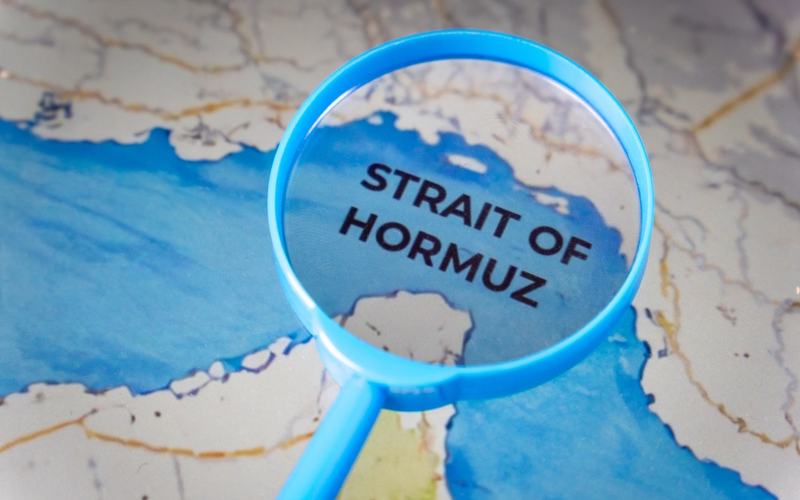
President Donald Trump announced that the volume of oil moving through the Strait of Hormuz has climbed back to levels close to those recorded at the start of the conflict with Iran. He specified that 18 million barrels are now transiting the critical waterway daily.
That figure represents roughly 90 percent of the daily average recorded before the war began. The Strait of Hormuz serves as a vital chokepoint for global oil supplies, and any disruption there has historically affected energy prices worldwide.
Trump's disclosure highlights the recovery in tanker traffic through the passage. Energy markets have monitored the strait closely since fighting erupted, as even partial closures can tighten supplies and push up costs for consumers and businesses.
Restoration of near-normal flows supports stable energy prices at a time when the economy continues to face inflationary pressures. Lower volatility in oil shipments helps American drivers and manufacturers by reducing the risk of sudden spikes at the pump.
The development comes amid ongoing diplomatic and military efforts to secure the region. Officials have emphasized the importance of keeping the strait open to maintain reliable access to Middle Eastern crude for markets in Asia, Europe, and the United States.
Industry analysts note that sustained volumes at these levels could ease concerns about long-term supply constraints. The return toward pre-conflict throughput also signals improving conditions for shipping companies that rely on the route.
Trump has pointed to the data as evidence that strategic pressure is yielding results in protecting international commerce. Continued monitoring remains essential, given the strait's role in roughly one-fifth of global oil trade under normal circumstances.

Comments
No comments yet. Be the first to share your thoughts.