
The yield on the 30-year U.S. Treasury bond reached its highest level since 2004 on Thursday, climbing as high as 5.50 percent before easing slightly. The move marked the latest milestone in a sharp selloff across global bond markets.
Yields rose across the curve after stronger-than-expected U.S. business activity data revived inflation worries. Brent crude oil prices jumped more than 3 percent in the prior session, pushing energy costs higher and adding to price pressures. The 30-year yield finished the day near 5.44 percent, while the 10-year yield touched 5.21 percent, its highest since 2007.
The surge reflects investor demands for greater compensation to hold long-term debt amid persistent inflation, elevated government borrowing needs, and ongoing geopolitical tensions that have lifted oil prices above $100 a barrel. Higher yields increase borrowing costs for the federal government, businesses, and consumers, particularly for mortgages and corporate financing.
Markets have adjusted expectations for Federal Reserve policy. Fed funds futures now price a roughly 73 percent chance of another rate hike as soon as next month, up from about 53 percent earlier in the week. The central bank raised rates last week for the first time in more than three years.
The bond market rout has spread internationally. Japan's 10-year government bond yield reached its highest level since 1996, and Australian yields also climbed. Analysts note that sustained high U.S. yields are pressuring equity valuations and raising concerns about the sustainability of heavy government debt levels.
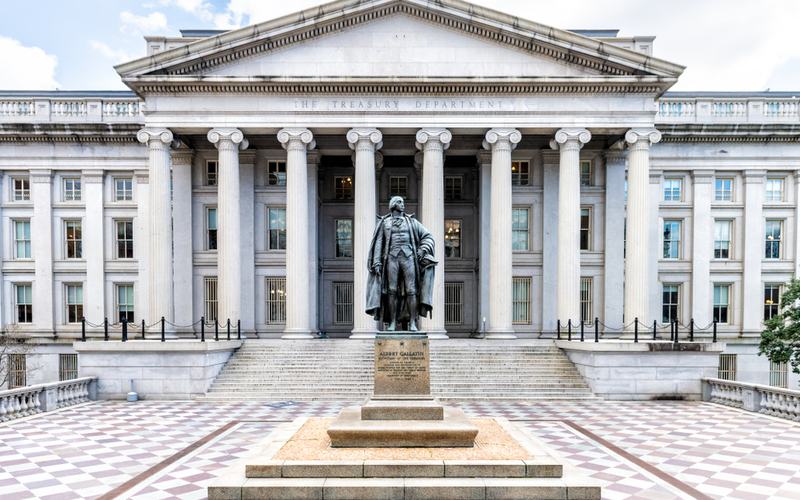
Treasury officials have faced challenges in managing long-term borrowing costs as the selloff continues. The latest data underscore how fiscal pressures and energy price volatility are driving long-term rates higher than many had anticipated earlier in the year.

Comments
No comments yet. Be the first to share your thoughts.