
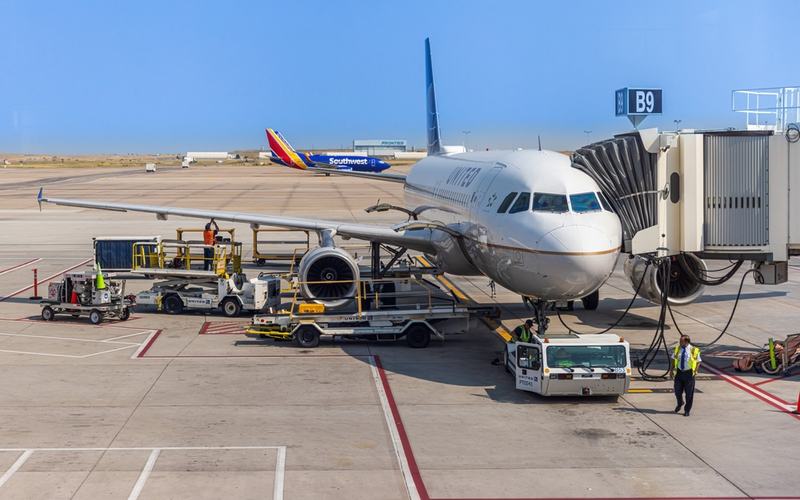
Approximately 81.5 million Americans are expected to travel at least 50 miles from home during the Thanksgiving holiday period, a slight decline from last year's record-setting turnout as higher airfare and gasoline costs put additional pressure on household budgets. Despite the expected decrease, AAA says airports and highways should remain heavily congested throughout the holiday week.
The American Automobile Association (AAA) released its annual Thanksgiving travel forecast Monday, estimating that roughly 121,000 fewer people will travel domestically compared with last year. The projected decline of approximately 0.1% would mark the first interruption in three consecutive years of record Thanksgiving travel following the COVID-19 pandemic.
"After three years of record highs, the number of travelers is slightly lower partly because of higher travel costs this year. But travelers won’t notice much of a difference," said Stacey Barber, AAA's vice president of travel.
Air travel is expected to take a particularly noticeable hit as airlines pass higher operating expenses on to passengers. Domestic round-trip flights booked through AAA for Thanksgiving are averaging approximately $800, representing a 17% increase from last year. Federal government data also shows domestic airfares were more than 22% higher in September compared with the same month in 2025. Airlines have additionally increased checked baggage fees.
AAA estimates nearly 6 million Americans will fly between November 24 and November 30, approximately 12,000 fewer than during the comparable period last year. Orlando, Fort Lauderdale, and Miami are expected to be the three most popular domestic destinations for Thanksgiving air travelers.
Other travel industry measurements also point toward softer demand. Aviation analytics firm Cirium reported that Thanksgiving flight bookings were running 1.6% behind last year's pace as of late October. Visa's economic research group also found that September spending on airline tickets and related travel for trips scheduled between November 1 and January 15 had declined among households earning less than $200,000 compared with the previous year.
Rising fuel costs are another concern for Americans planning to drive to family gatherings. AAA reported that the national average for regular gasoline reached $3.82 per gallon on Sunday, compared with $3.08 at the same time last year. If prices remain elevated, Thanksgiving Day could establish a new national gasoline price record, surpassing the previous holiday high of $3.58 set in 2022.
The higher fuel costs follow a surge in energy prices during the U.S. conflict with Iran. Inflation and broader household expenses have also contributed to concerns about how much Americans are willing to spend on holiday travel.
Despite the higher costs, driving is expected to remain the most popular way to reach Thanksgiving destinations. AAA also anticipates a 4% increase in combined passenger numbers for buses, trains, and cruise ships compared with last year.
The travel forecast was prepared before a major air traffic control disruption on Friday forced the Federal Aviation Administration to impose a nationwide ground stop lasting more than four hours. Problems involving communications equipment and radar feeds disrupted flights into the weekend, but Transportation Secretary Sean Duffy and FAA Administrator Bryan Bedford have said they expect operations to return to normal well before Thanksgiving.
AAA spokesperson Aixa Diaz said the disruption is unlikely to significantly affect holiday travel unless another major incident occurs. The organization noted that Americans have historically continued with holiday travel plans despite transportation disruptions.
The slightly lower travel projection also comes after last year's Thanksgiving period was affected by a lengthy federal government shutdown. At the time, the FAA ordered flight reductions at 40 of the nation's busiest airports, creating additional uncertainty for passengers before Congress reached an agreement and the restrictions were lifted 10 days before Thanksgiving.
While AAA anticipates a small overall decline, the combination of expensive flights, elevated gasoline prices, and continued demand means Americans should still expect crowded airports and busy highways throughout the holiday period.

Comments
No comments yet. Be the first to share your thoughts.