
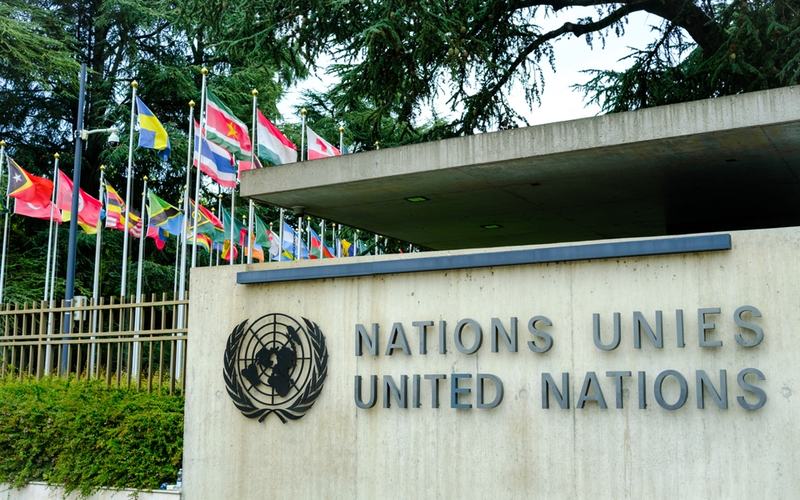
African leaders attending the 81st session of the United Nations General Assembly renewed longstanding demands for reform of the Security Council to grant the continent permanent representation.
Kenyan President William Ruto told delegates on Wednesday that the current structure undermines the UN charter's principle of sovereign equality. "Every nation is sovereign and equal under the charter. Yet, on the gravest question of war and peace, five nations possess a permanent power that the other 188 do not," Ruto said.
Ethiopian President Taye Atske Selassie questioned the exclusion of Africa's 1.6 billion people from equal representation. Namibia President Netumbo Nandi-Ndaitwah said the time has come to end prolonged negotiations.
UN Secretary-General António Guterres described the lack of permanent African seats as "unjust and indefensible" during his address on Tuesday. He noted that most of Africa remained under colonial rule when the UN was founded in 1945.
The African Union maintains its position from the 2005 Ezulwini Consensus and Sirte Declaration, calling for at least two permanent seats with full prerogatives, including the veto power for as long as it exists, plus five non-permanent seats. South Africa and other nations have used the ongoing intergovernmental negotiations to advance this stance.
The Security Council currently consists of five permanent members with veto power—China, France, Russia, the United Kingdom and the United States—along with 10 elected members serving two-year terms. Africa accounts for 54 of the UN's 193 member states but holds no permanent seat.
Leaders emphasized Africa's demographic weight and its frequent involvement in Security Council matters. The push occurs amid broader discussions on updating global governance institutions to reflect contemporary realities rather than the post-World War II order.

Comments
No comments yet. Be the first to share your thoughts.