
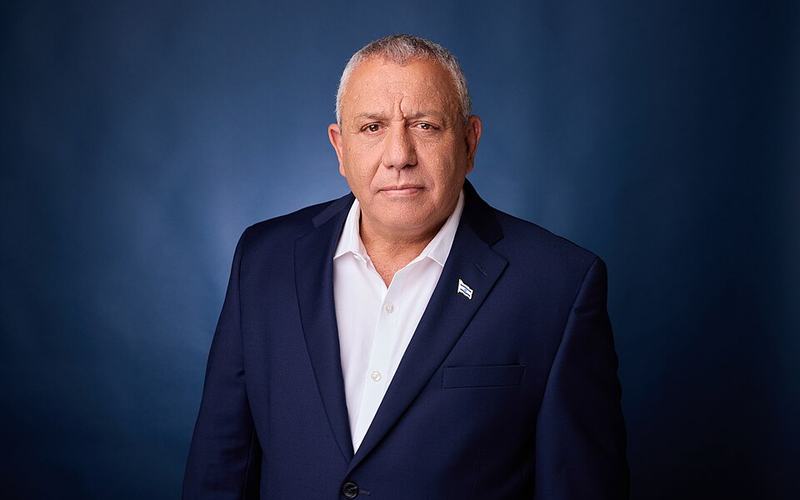
Israeli President Isaac Herzog announced Saturday evening that he will formally task former army chief Gadi Eisenkot with forming the country's next government, dealing a significant blow to Prime Minister Benjamin Netanyahu.
Herzog's decision followed consultations with party leaders after the October 27 election. Eisenkot, who leads the centrist Yashar party, received endorsements from 67 members of the incoming 120-seat Knesset. Netanyahu's bloc secured recommendations from only 46 lawmakers.
The election left neither major bloc with the 61 seats needed for a majority. Eisenkot's four-party opposition alliance holds 48 seats, while Netanyahu's right-wing and religious grouping won 53. Arab-led parties captured a record 19 seats.
Eisenkot has 28 days to build a coalition, with a possible 14-day extension. He has proposed a "national emergency government" anchored by the four Jewish opposition parties and has signaled openness to a minority arrangement with outside support.
Netanyahu warned in a video statement hours before the announcement that any government relying on Arab parties would endanger the country. He called instead for a unity government.
Eisenkot has outlined four conditions for coalition partners, including recognition of Israel as a Jewish and democratic state, adherence to the Declaration of Independence, universal national service, and labeling Hamas a terrorist organization. He has ruled out a formal coalition with Arab parties.
The path forward remains uncertain. Divisions among opposition parties and resistance from ultra-Orthodox factions over military draft exemptions complicate efforts to reach the required majority. If Eisenkot fails, the mandate could pass to another candidate or trigger new elections.

Comments
No comments yet. Be the first to share your thoughts.