
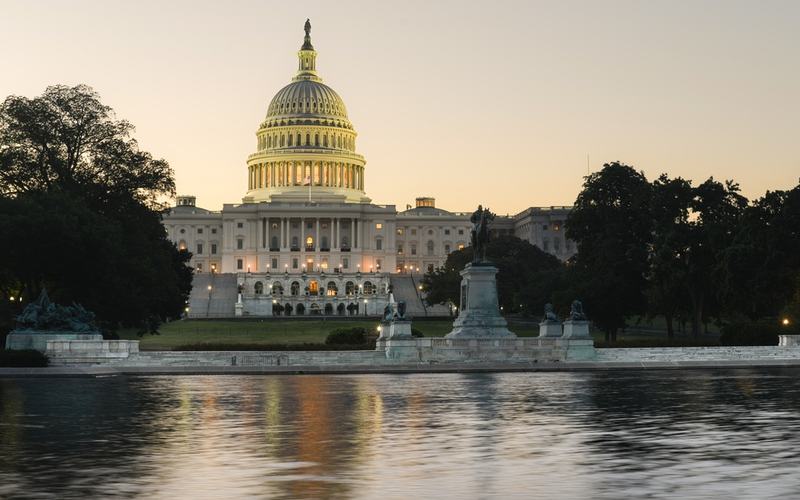
Congress returned to Capitol Hill on Monday for the start of its lame-duck session following the November 3 midterm elections.
Democrats secured majorities in both the House and Senate, ending Republican control that had been in place since the previous Congress. Republicans will retain their majorities through the end of the year and into early January.
The five-week session features several must-pass items, including efforts to extend government funding before it expires on December 11. Lawmakers also plan to advance the annual National Defense Authorization Act and consider permitting reform legislation aimed at streamlining energy and infrastructure projects.
Republican leaders in the House and Senate scheduled leadership elections for Tuesday. House Republicans face decisions on new leadership after significant losses, while Senate Republicans weigh whether to proceed with votes or delay them.
GOP lawmakers are pushing aggressively to advance key legislation and complete confirmations for judicial nominees and other positions before power shifts on January 3. Republicans aim to lock in additional defense spending measures, energy permitting reforms, and other priorities while they still hold majorities. Several Republican priorities, such as additional defense spending measures, remain on the agenda before power shifts. Democrats have signaled interest in using their upcoming leverage in spending negotiations.
Some races remain too close to call, though Democrats have already secured substantial gains, including multiple Senate flips in states that supported President Trump in 2024.
The session is expected to run through mid-December, with lawmakers balancing unfinished business and preparations for the transition to the 120th Congress on January 3.

Comments
No comments yet. Be the first to share your thoughts.