
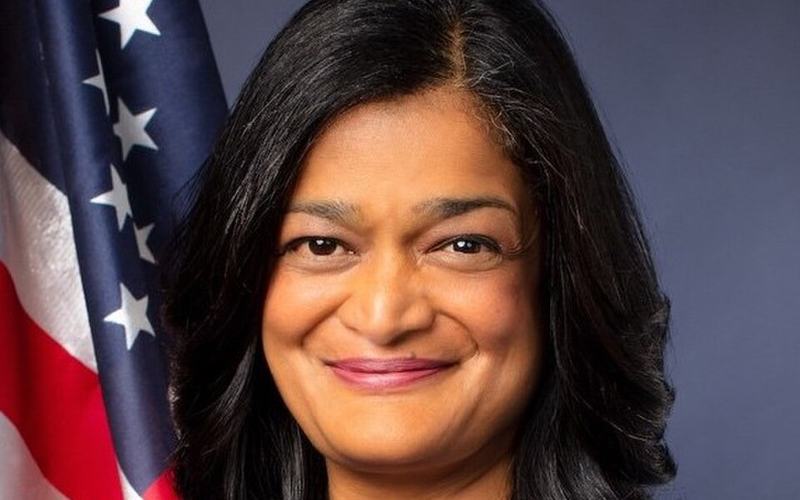
Democrats' strong performance in the 2026 midterm elections has reignited debate within the party over Medicare for All. The results gave Democrats control of both the House and Senate, setting up legislative efforts starting in January despite President Trump's veto authority.
Rep. Pramila Jayapal, the lead House sponsor of Medicare for All legislation, said she wants the bill considered in the new Congress with enough co-sponsors to reach a vote. The measure currently has 118 House co-sponsors. Jayapal has called for a full markup of the bill in 2027.
Several newly elected Democrats campaigned on the issue. Abdul El-Sayed won a Senate seat in Michigan after making Medicare for All central to his platform. Other incoming House members who backed the proposal or a public option include candidates in states such as Montana, Pennsylvania, and Minnesota.
Sen. Ron Wyden of Oregon recently switched his support to the Medicare for All bill sponsored by Sen. Bernie Sanders. Wyden, who is expected to lead the Senate Finance Committee if Democrats organize the chamber, described single-payer coverage as essential to prevent future rollbacks.
A recent KFF poll showed 66 percent of Americans favor a national Medicare for All plan, the highest level recorded in the survey's history. Healthcare affordability dominated voter concerns in the election.
Critics within the party note that vocal Medicare for All supporters often won by narrower margins than moderate Democrats. Some Democrats favor a public option instead of a full single-payer replacement of private insurance.
National Nurses United, the largest union of registered nurses, urged Democrats to advance Medicare for All in the new Congress. The union highlighted voter frustration with medical costs as a key factor in the Democratic gains.
Republicans have warned that the proposal would eliminate most private insurance and require substantial tax increases. With Trump in the White House, any major expansion faces a certain veto.
The internal Democratic divide could shape the party's direction heading into the 2028 presidential primaries. Supporters see momentum from the midterm results, while moderates remain wary of the political risks in swing states.

Comments
No comments yet. Be the first to share your thoughts.