
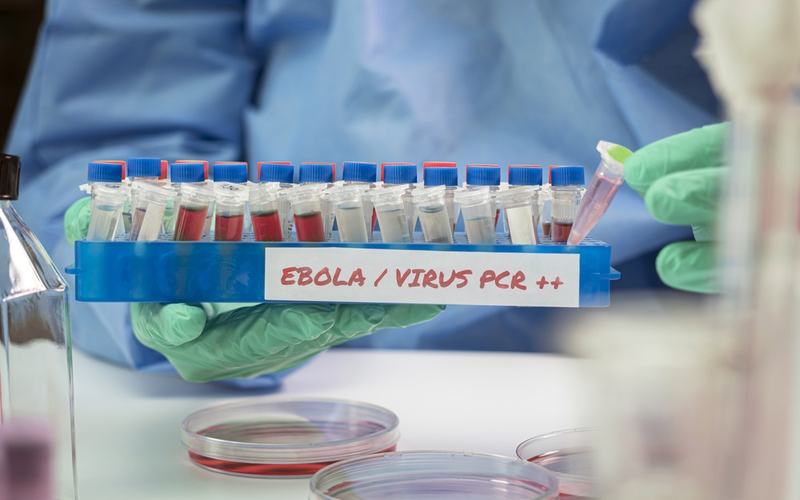
Health officials in the Democratic Republic of the Congo have reported more than 7,500 Ebola cases and over 3,600 deaths in the ongoing outbreak, underscoring the continuing challenge of controlling the virus in affected regions.
Ebola is a severe viral disease that can spread through direct contact with the blood or other bodily fluids of an infected person. Symptoms can include fever, vomiting, diarrhea, weakness, and, in severe cases, internal or external bleeding.
The disease can be fatal, particularly when patients do not receive timely medical care. Treatment and supportive care can improve survival, while vaccines have also played an important role in previous Ebola outbreaks.
The Democratic Republic of the Congo has experienced repeated Ebola outbreaks over the past several years. International health organizations have assisted previous responses by providing medical personnel, vaccines, testing, and other resources.
Authorities are continuing containment efforts in affected areas, including identifying people who have been exposed, monitoring contacts, and isolating patients. The latest increase in cases highlights the difficulty of containing transmission in remote communities where access to health care and other resources can be limited.

Comments
No comments yet. Be the first to share your thoughts.