
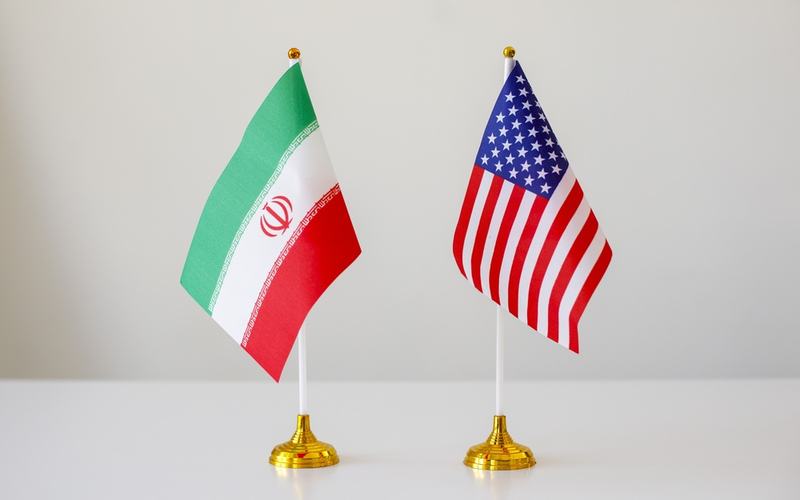
Iranian negotiators have left Doha after several days of discussions with Qatari mediators, though a draft proposal for a potential agreement with the United States is now circulating for feedback. An official briefed on the talks told Reuters on Monday that the departure was not due to difficulties in the negotiations and that a follow-up meeting remains possible.
The latest round focused on Iran's seven-step plan, originally proposed in September, to reopen the Strait of Hormuz and lift the U.S. naval blockade. Iranian officials indicated they are now open to implementing elements of that plan on a faster timeline of two days rather than seven under the right conditions. Iran's Foreign Ministry spokesperson Esmaeil Baghaei stated that deputy Foreign Minister Kazem Gharibabadi traveled to Doha to exchange messages with Washington through Qatari intermediaries.
"Our demands have been articulated very clearly and transparently," Baghaei said during a weekly news conference. "No final agreement can be initiated, nor can the Strait of Hormuz be reopened or secured, unless the U.S. naval blockade is brought to an end, Iran’s demands are respected, and Iran’s legitimate requirements are addressed."
The diplomatic effort comes as concerns grow over potential escalation following Tuesday's U.S. midterm elections. President Donald Trump has indicated that the United States would not launch new attacks on Iran before the vote and described prior talks as productive, though he has not ruled out further military action afterward. Iran's initial proposal was rejected by the Trump administration.
Iran has insisted that any deal must first address the blockade of its ports and sanctions on oil exports before broader issues, including its nuclear program, can be discussed. Washington has sought to include Iran's nuclear activities from the outset of any negotiations. Iranian officials have rejected suggestions of transferring enriched uranium out of the country and maintained that Tehran will not compromise on the nuclear issue.
Qatari mediators have played a central role in facilitating indirect communications between the two sides amid an eight-month conflict that has disrupted global shipping and oil supplies. Foreign Minister Abbas Araqchi has described the talks as ongoing and progressing while emphasizing Iran's readiness for both defense and diplomacy.
The developments follow earlier reports that Qatar presented ideas for a structured timeline to address both sides' concerns, though Iranian officials described some of those suggestions as unacceptable. Messages between Tehran and Washington continue through intermediaries as the ball remains in the U.S. court, according to Iranian statements.

Comments
No comments yet. Be the first to share your thoughts.