
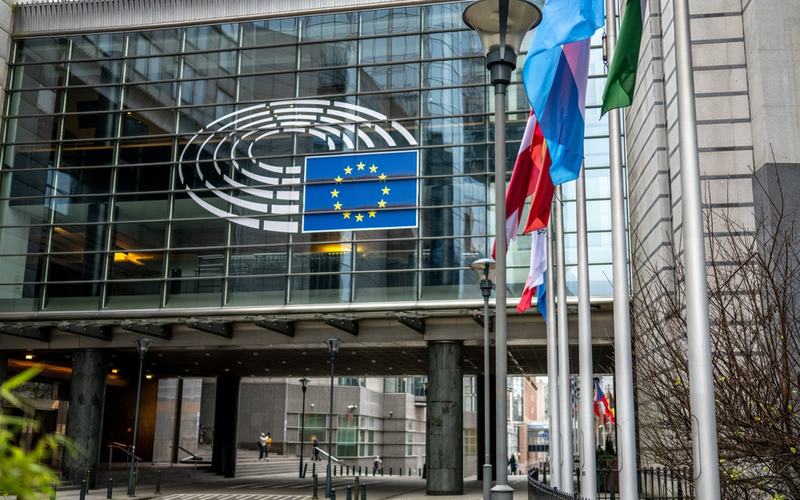
European Union leaders gathered in Brussels last month to address mounting trade imbalances with China, focusing on new tools to protect domestic industries from surging imports.
Discussions centered on proposals from France and Germany for faster mechanisms to restrict market access when necessary, following a recent agreement that caps Chinese hybrid vehicle exports to the bloc. The deal aims to cut millions of such vehicles over four years while easing some tariffs on European goods and improving rare earth licensing.
Commission President Ursula von der Leyen highlighted the unsustainable nature of the trade deficit, which reached hundreds of billions of euros annually. Officials described a paradigm shift toward export restraint and reduced dependencies in critical sectors like chemicals and machinery.
The European Parliament had earlier adopted a recommendation urging reciprocity and proportionate responses if Beijing fails to open its markets further. Concrete steps remain under review, with new proposals expected by December.
Critics argue existing instruments have proven too slow against China's state-driven economy, pushing for stronger safeguards aligned with national interests in key member states.

Comments
No comments yet. Be the first to share your thoughts.