
Secretary of War Pete Hegseth is barring Pentagon personnel from using nonpublic information to place bets on U.S. military operations, warning that trades on prediction markets could expose classified plans and threaten national security.
In a Tuesday memorandum to senior Pentagon leaders and combatant commanders, Hegseth said the prohibition covers both classified and unclassified information. He specifically identified prediction market platforms Polymarket and Kalshi as venues where such activity could pose a security risk.
“Make no mistake why this matters. Our enemies watch movements in these markets,” Hegseth wrote.
He warned that financial transactions based on privileged knowledge could create signals that foreign intelligence agencies might analyze to anticipate American military movements, identify potential targets and estimate when operations will occur.
“When an American Service member, intelligence professional, or other Department civilian engages in a financial transaction on a military outcome, they create a signal,” Hegseth added.
Personnel who violate the directive could face administrative discipline or criminal prosecution under federal law or the Uniform Code of Military Justice, which governs members of the armed forces.
The policy follows federal charges against Army Master Sgt. Gannon Ken Van Dyke, who prosecutors allege used classified information about the mission to capture Venezuelan leader Nicolas Maduro to make profitable bets on Polymarket.
According to the Justice Department, Van Dyke participated in planning and carrying out Operation Absolute Resolve and had access to sensitive details about the mission. Prosecutors allege he placed approximately 13 bets between Dec. 27, 2025, and Jan. 2, committing about $33,000 to contracts tied to Maduro’s removal and possible U.S. military action in Venezuela.
U.S. forces captured Maduro and his wife in Caracas early Jan. 3. President Donald Trump announced the operation hours later, and Polymarket subsequently settled several related contracts in favor of traders who had wagered that the events would occur.
Prosecutors allege Van Dyke earned approximately $409,881 in profits and attempted to conceal his connection to the trades after reports of unusual betting activity surfaced. He pleaded not guilty on April 28 in Manhattan federal court and was released on $250,000 bail. The charges include commodities fraud, wire fraud, and unlawful use of confidential government information for personal gain.
Concerns about insider betting have also prompted action in Congress. On April 30, the Senate unanimously approved a rule barring senators and their staff from using prediction markets, including Polymarket and Kalshi. Both platforms also updated their rules in March to reinforce restrictions on wagers involving confidential information and illegal tips.
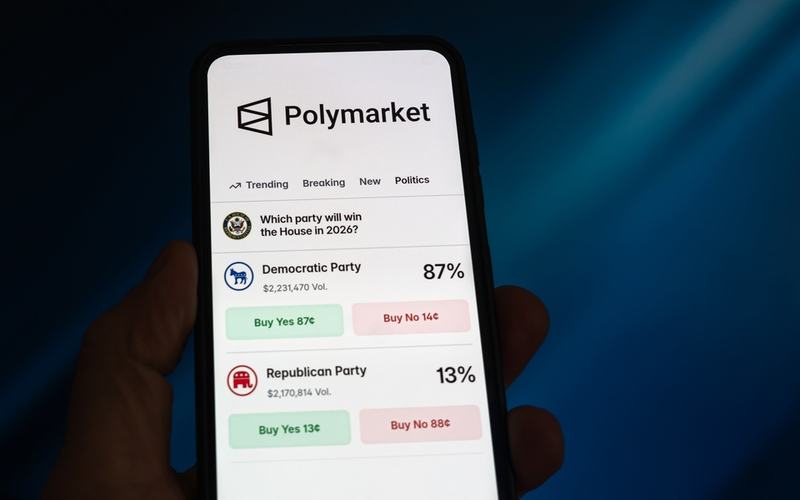
Prediction markets allow users to trade contracts tied to future events, including elections, economic announcements and government decisions. Contract prices reflect traders’ assessments of the likelihood that an event will occur, with payouts determined by the outcome.
The Commodity Futures Trading Commission says regulated exchanges must monitor trading for suspicious activity and potential abuses, including insider trading, and enforce applicable rules.
Hegseth’s directive highlights the additional national security risks associated with military-related wagers. Even when personnel do not disclose classified documents or directly reveal operational plans, unusual betting activity based on privileged information could give adversaries clues about U.S. military intentions.

Comments
No comments yet. Be the first to share your thoughts.