
A federal judge in Rhode Island blocked the Trump administration's effort last week to redirect more than $1.3 billion in federal homelessness funding away from permanent housing projects toward transitional housing and supportive services.
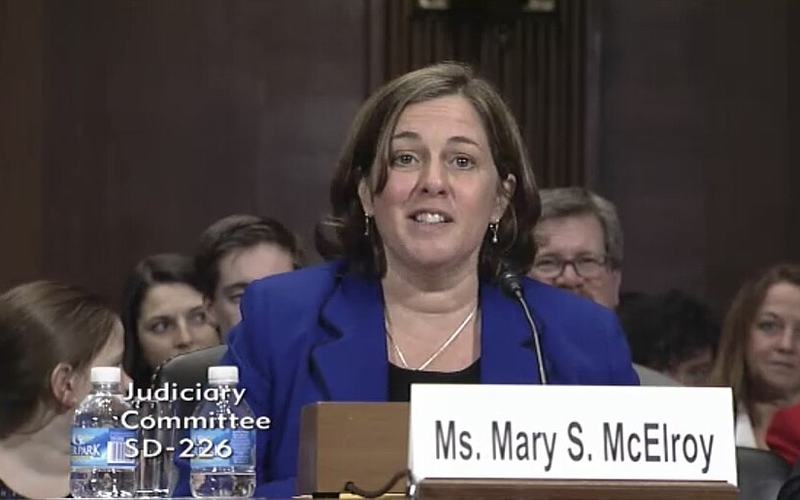
U.S. District Judge Mary McElroy ruled on November 20 that the Department of Housing and Urban Development exceeded its authority under the McKinney-Vento Homeless Assistance Act by adding new criteria that bypassed congressionally mandated factors for evaluating grant applications. The decision affects the Continuum of Care program, which distributes more than $4 billion annually to states, localities, and nonprofits.
The administration has sought to shift priorities from the longstanding housing-first approach, which emphasizes immediate permanent housing without preconditions, toward models that tie assistance more closely to treatment for mental health and substance abuse. Officials argue this addresses root causes of chronic homelessness, including addiction and severe mental illness that have surged in recent years.
McElroy, a Trump appointee originally nominated by President Obama, ordered HUD to allow applicants to amend and resubmit proposals through December 1 and complete awards by December 31. She also struck down other provisions, including restrictions on harm-reduction activities like needle exchanges and requirements promoting self-sufficiency.
The ruling follows earlier legal challenges from 22 mostly Democratic-led states, the District of Columbia, and advocacy groups. An appeals court had previously allowed the administration to proceed with parts of its plan before this latest decision halted key elements.
Homelessness advocates welcomed the outcome, claiming the changes would have jeopardized stable housing for tens of thousands. The administration maintains that existing policies have failed to reduce street homelessness and that greater emphasis on treatment and accountability is needed.
Funding decisions for fiscal year 2026 now face further delays as the agency revises its process under the court order.

Comments
No comments yet. Be the first to share your thoughts.