
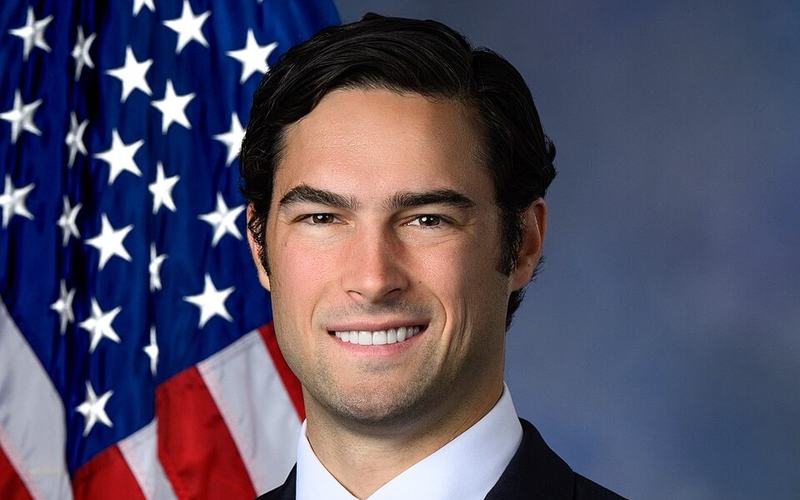
Republican Rep. Brandon Gill of Texas introduced the Just Punishment for Murder Act of 2026, a bill that would expand the use of capital punishment in federal cases, including murders committed by illegal aliens. The legislation was introduced in the House on November 20 as H.R. 11132 and referred to the House Judiciary Committee. It has not yet passed Congress.
President Donald Trump publicly endorsed the proposal during remarks at the Department of Justice on November 23, saying Gill had introduced the legislation at his request. Trump said the bill would incorporate aspects of his administration’s death penalty policies and extend capital punishment to illegal alien murderers.
“The Just Punishment for Murder Act will codify many aspects of today’s directive, along with my executive order on capital punishment for killers of law enforcement,” Trump said. He added that the measure would ensure illegal alien murderers could likewise be sentenced to death
Trump urged lawmakers to move quickly on the legislation, telling Congress to send it to the White House “without delay.” He said he would sign the bill promptly if it reached his desk.
Gill also announced the legislation with Trump’s support, saying that illegal aliens who murder Americans should face the death penalty. The congressman has framed the proposal as part of a broader effort to strengthen punishment for murder and killings of law enforcement officers.
The bill includes several provisions beyond its treatment of murders committed by illegal aliens. Its text addresses capital punishment for murders of law enforcement officers, certain murders involving stalking, domestic violence, terrorism and involuntary servitude, and changes to federal capital sentencing and appeals procedures.
The proposal would not take effect simply because it was introduced. H.R. 11132 must advance through the House Judiciary Committee and receive approval from the House and Senate before it can be sent to the president for his signature.
As of November 27, the bill remains at the committee stage, with no recorded vote in either chamber. Trump’s public endorsement places pressure on Congress to act on the measure, but lawmakers have not yet approved it.

Comments
No comments yet. Be the first to share your thoughts.