
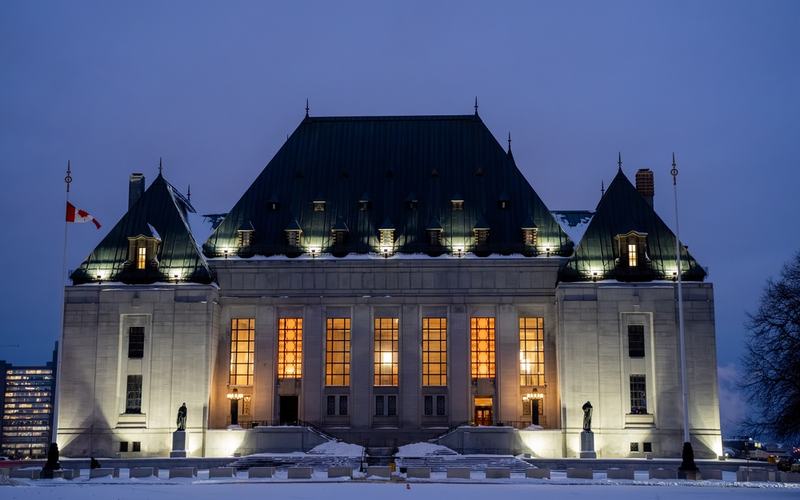
Canada's Supreme Court largely upheld Quebec's Bill 21 on Friday, affirming the province's ban on religious symbols for most public sector workers including teachers, police officers, and judges.
The 2019 law, known as the Act respecting the laicity of the State, prohibits conspicuous religious symbols such as hijabs, turbans, kippahs, and crosses in positions of authority. Quebec invoked the notwithstanding clause to shield it from most Charter challenges, a move the court ruled was valid.
Chief Justice Richard Wagner wrote for the majority that the law is rooted in Quebec's legitimate and historical commitment to ensuring the laicity of the state in a free and democratic society. The decision leaves the core ban in place.
The court did strike down one provision, ruling that the ban on face coverings cannot apply to members of the National Assembly because it infringes democratic rights under section 3 of the Charter. The rest of the law stands.
Rights groups condemned the ruling, arguing it targets Muslim women and weakens protections for fundamental freedoms. Quebec officials welcomed it as a victory for secularism and provincial autonomy.
The case drew significant attention as one of the longest hearings in the court's history, with 51 interveners participating. The notwithstanding clause allows overrides for up to five years and must be renewed, a process Quebec has already completed once.
The ruling reinforces provincial authority to set cultural policies distinct from the rest of Canada while limiting judicial interference in such matters.

Comments
No comments yet. Be the first to share your thoughts.