
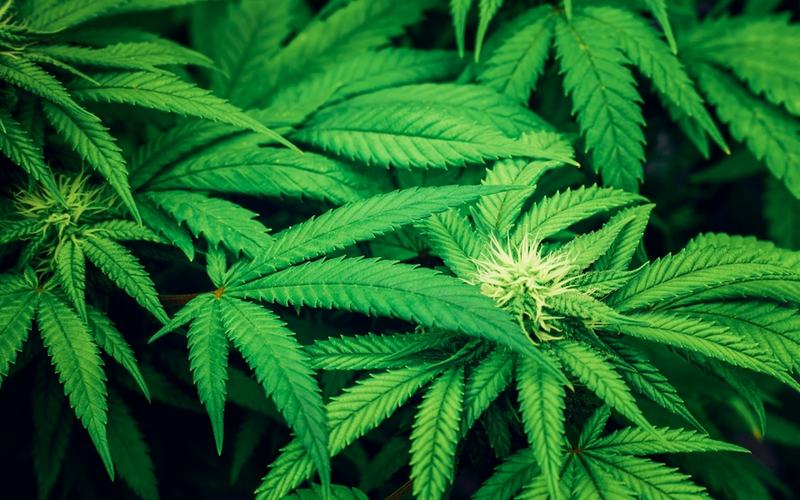
Massachusetts voters are deciding Tuesday whether to roll back the state's recreational marijuana industry, with Question 8 asking voters to repeal the laws that legalized and regulated adult-use cannabis. If approved, the measure would make Massachusetts the first state in the country to overturn a voter-approved recreational marijuana legalization measure.
The initiative would reverse key provisions of Question 4, which Massachusetts voters approved in 2016 and which paved the way for recreational marijuana sales beginning in 2018. Under Question 8, licensed recreational dispensaries, cultivation operations and other businesses serving the adult-use market would eventually be forced to shut down. The measure is scheduled to take effect January 1, 2028, if approved.
However, the proposal would not completely outlaw marijuana possession. Adults 21 and older would still be permitted to possess up to one ounce, including no more than five grams of marijuana concentrate. Medical marijuana would also remain legal, and existing recreational dispensaries could apply for expedited licenses to transition into medical marijuana businesses. The proposal would eliminate the legal retail recreational market and repeal the framework governing home cultivation.
Supporters of the repeal argue that legal marijuana has created public health and safety concerns, pointing to the potency of modern cannabis products, addiction risks, and impaired driving. They contend that restricting access to recreational sales would help address those problems while preserving access for medical marijuana patients.
Opponents warn that eliminating the recreational market would threaten hundreds of businesses, thousands of jobs and substantial tax revenue. Massachusetts has generated billions of dollars in recreational marijuana sales since the first dispensaries opened, with the Cannabis Control Commission reporting that the industry surpassed $10 billion in cumulative adult-use purchases in 2026. In 2025 alone, recreational marijuana sales reached approximately $1.65 billion, generating roughly $289 million in state sales taxes.
The campaign has also drawn significant outside financial involvement. The Coalition for a Healthy Massachusetts, the primary organization supporting Question 8, has received substantial funding from the fundraising arm of Smart Approaches to Marijuana, a Virginia-based anti-drug advocacy organization co-founded by former Democratic Rep. Patrick Kennedy and former White House drug policy adviser Kevin Sabet. Campaign contributions on both sides have exceeded $5 million.
Polling ahead of Election Day suggested that the repeal effort faced considerable opposition. A September survey conducted by the MassINC Polling Group for CommonWealth Beacon found that 61% of likely voters opposed Question 8, while 27% supported it and 11% remained undecided. A separate University of New Hampshire survey found 71% planned to vote against the proposal, compared with 24% who supported it.
The vote is one of nine statewide ballot questions Massachusetts voters are considering Tuesday. If Question 8 passes, the state would become the first in the nation to reverse a voter-approved recreational marijuana legalization measure, although the proposed changes would not take effect until 2028. The outcome will determine whether Massachusetts maintains its recreational cannabis industry or begins dismantling the retail market established nearly a decade ago.

Comments
No comments yet. Be the first to share your thoughts.