
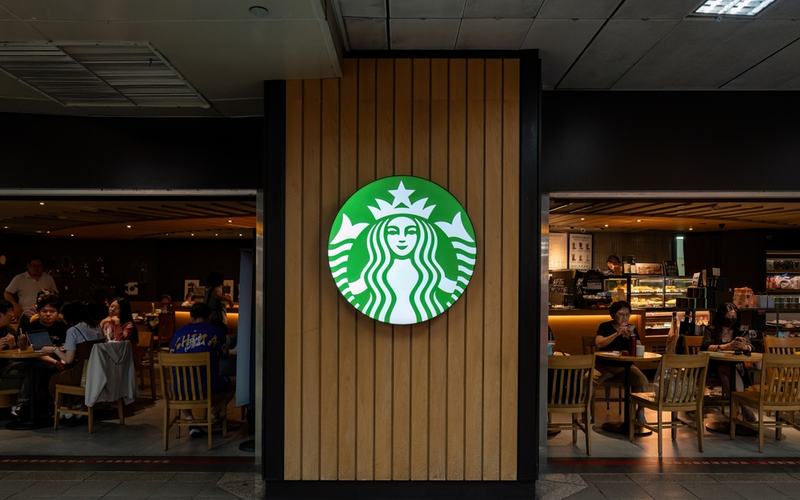
Rep. John Moolenaar is demanding that Starbucks shut down its newly opened Xinjiang locations, accusing the company of putting profits ahead of concerns over the Chinese Communist Party’s treatment of Uyghurs.
Starbucks opened its first two stores in Xinjiang this week, establishing locations in Urumqi, the regional capital, as the coffee giant continues expanding its presence in China.
One store opened at Urumqi’s Grand Bazaar, while the other is located at the city’s international airport. The expansion immediately drew criticism from Moolenaar, R-Michigan, who chairs the House Select Committee on China.
Moolenaar called on Starbucks to “immediately reverse course and close its stores,” describing the decision as a “morally bankrupt” move by a company that has publicly emphasized social responsibility.
“There is no justifiable reason for an American company to do business in a region where the CCP has detained more than a million Uyghurs and is stripping them of their faith, language, and culture,” Moolenaar said.
The Uyghurs are a predominantly Muslim ethnic minority concentrated in Xinjiang. The Chinese government has faced widespread international accusations over mass detention, forced labor, and restrictions on Uyghur religious and cultural practices. Beijing rejects those accusations and says its policies in Xinjiang are aimed at combating terrorism, separatism and religious extremism.
China’s Foreign Ministry dismissed the U.S. allegations as “naked lies,” saying Xinjiang has experienced social stability, economic growth, racial unity and religious harmony. The ministry also said China would continue offering investment opportunities to foreign companies.
Starbucks has not publicly responded to Moolenaar’s demand. However, Starbucks China CEO Liu Wenjuan said on the company’s official WeChat account that the company would continue investing in Xinjiang.
Images from the newly opened locations show Starbucks branding in both English and Chinese. The stores also incorporate local design elements, including features inspired by Xinjiang's traditional culture.
The expansion comes as Starbucks has deepened its commitment to the Chinese market. In April, Starbucks finalized a joint venture with Boyu Capital, giving the investment firm a 60% stake in Starbucks' China retail operations while Starbucks retained 40% and ownership of its brand and intellectual property.
The joint venture currently operates nearly 8,000 coffeehouses in China and has a long-term goal of expanding the network to as many as 20,000 locations. Starbucks has described China as a major long-term growth opportunity.
Moolenaar's criticism places Starbucks' Xinjiang expansion at the center of a broader debate over whether American companies should conduct business in regions where the Chinese government faces allegations of serious human-rights abuses.
For Starbucks, the opening of the Urumqi stores represents another step in its push to expand across China. For critics such as Moolenaar, the decision raises questions about whether the company's commercial interests are being placed ahead of concerns about Beijing's treatment of the Uyghur population.

Comments
No comments yet. Be the first to share your thoughts.