

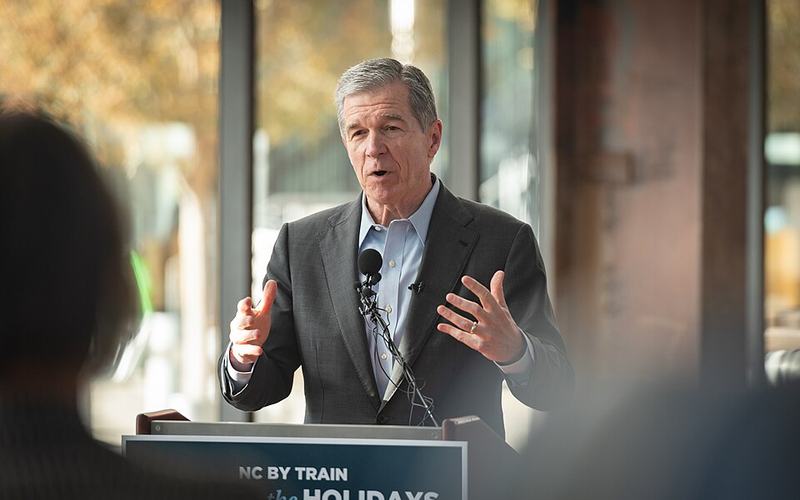
Democrat Roy Cooper defeated Republican Michael Whatley in North Carolina’s U.S. Senate race, flipping a Republican-held seat and delivering Democrats a major victory in their effort to regain control of the chamber. Cooper, the state’s former two-term governor, will replace retiring Republican Sen. Thom Tillis.
The North Carolina contest was one of the most closely watched Senate races of the 2026 election cycle. Democrats viewed the seat as a critical pickup opportunity, particularly because the party needed to make gains in several Republican-held states to put control of the Senate within reach. Cooper’s victory gives Democrats an important seat, but the overall balance of power will depend on the results of other Senate contests across the country.
Cooper entered the race with a significant advantage in name recognition after serving as North Carolina’s governor from 2017 through 2025. Before that, he served as the state’s attorney general and spent more than two decades in the North Carolina General Assembly. His political record and statewide experience gave him an established profile with voters before the campaign began.
Throughout the race, Cooper focused heavily on the economy and affordability, promising to make everyday expenses more manageable for North Carolina families. He highlighted his record of expanding Medicaid through negotiations with the Republican-controlled state legislature, as well as his efforts to attract businesses and investment to the state. His campaign also criticized the Trump administration’s economic and health care policies, attempting to appeal to independent voters and Republicans dissatisfied with rising costs.
Whatley, meanwhile, entered the race with the endorsement of President Donald Trump and a prominent position within the national Republican Party. He previously served as chairman of the Republican National Committee, where he helped oversee the party’s national political and fundraising operations. However, unlike Cooper, Whatley had never held elected office, leaving him without the same record of governing or statewide electoral experience.
That lack of political experience became a significant challenge as the campaign developed. Whatley struggled to establish an identity separate from his association with Trump, while Cooper was able to campaign on his own record as a two-term governor. Republican strategist Paul Shumaker told Reuters that Cooper benefited from an established reputation with North Carolina voters, while Whatley had failed to rebuild confidence among voters concerned about the economy.
The financial gap between the campaigns also presented a major obstacle for Republicans. Cooper raised approximately $49.6 million through the October 14 pre-general reporting period, compared with roughly $13.7 million for Whatley. The difference gave Cooper substantially greater resources to communicate his message and define the race. Outside spending also became a major factor, with Republican-aligned groups spending heavily in the contest as the party attempted to prevent the seat from flipping.
Polling in the final weeks reflected Cooper’s advantage. An East Carolina University poll conducted October 26-29 found Cooper leading Whatley 54% to 45% among likely voters. The survey also found Cooper with a 14-point advantage among independent voters and a stronger favorability rating than his Republican opponent. The economy and cost of living were the leading concerns among respondents, and Cooper held a substantial advantage among voters who identified those issues as their top priority.
For Republicans, Whatley’s defeat represents a significant setback in a state President Trump carried in the 2024 presidential election. The result also raises questions about the party’s decision to nominate a candidate whose political experience was largely concentrated in party leadership rather than elected office. Whatley had the backing of Trump and national Republican organizations, but those advantages were not enough to overcome Cooper’s established statewide reputation and campaign operation.
Cooper’s victory will give Democrats another step closer to gaining control of the United States Senate. Several other closely contested Senate races remain central to the national outcome, and the final balance will depend on those results.
The election also marks a return to Washington for Cooper, who will leave behind eight years as governor and a lengthy career in North Carolina politics. His victory demonstrates the importance of the state in the national Senate map and gives Democrats one of the key Republican-held seats they needed to flip during the midterm elections.

Comments
No comments yet. Be the first to share your thoughts.