
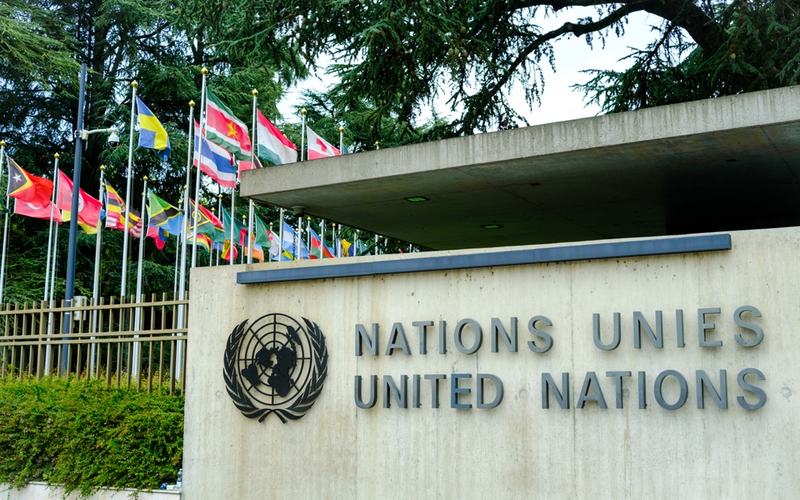
Russia and China vetoed a U.S.-backed resolution Thursday that would have extended for one year the mandate of U.N. experts monitoring sanctions on Iran. The measure received 11 votes in favor, while Pakistan and Somalia abstained, but the two permanent members' vetoes prevented its adoption.
The dispute centers on whether U.N. sanctions against Iran were restored in 2025 through the “snapback” mechanism established under the 2015 Joint Comprehensive Plan of Action, or JCPOA. Britain, France and Germany triggered the mechanism in response to what they described as Iran's noncompliance with its nuclear commitments. They maintain that several previous Security Council sanctions were reinstated after the process was completed.
Russia and China reject that interpretation, arguing that Security Council Resolution 2231, which endorsed the nuclear agreement, expired in October 2025 and that the sanctions regime should no longer apply. China has called for diplomacy and said continued sanctions pressure could undermine efforts to resolve the nuclear dispute.
The U.N. expert panel was intended to independently monitor implementation of the sanctions and report potential violations to the Security Council. Reuters reported that the panel had not been reconstituted during the past year because council members could not agree on appointments. The mandate was scheduled to expire Sept. 27.
The United States argued that ending the monitoring mechanism would create a gap in independent reporting on prohibited activities involving Iran. Russia defended its veto by arguing that the U.S. resolution lacked a legal basis and that the council should not be used to intensify political confrontation.
The vote does not resolve the underlying disagreement over whether the sanctions remain legally binding. The dispute comes as President Donald Trump prepares to meet Chinese President Xi Jinping in Washington on Sept. 24, with Iran expected to be among the issues discussed.

Comments
No comments yet. Be the first to share your thoughts.