

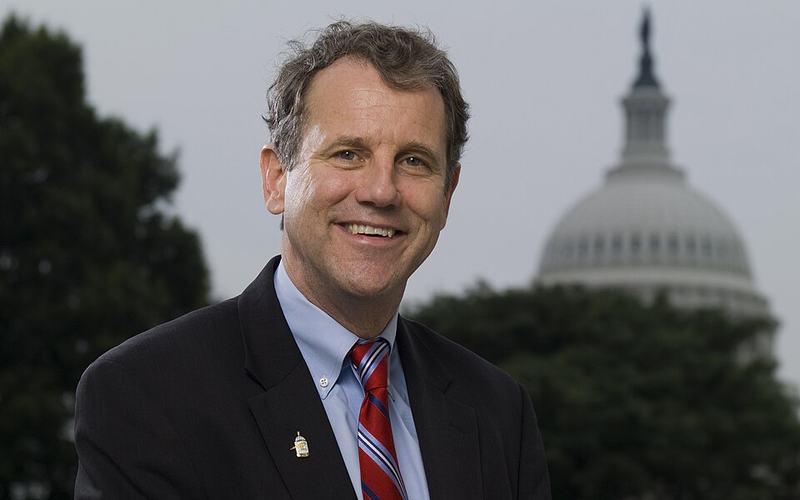
The Associated Press has projected that Democrat Sherrod Brown defeated Republican Sen. Jon Husted in Ohio’s special U.S. Senate election, completing a political comeback and delivering a significant pickup for Democrats as they seek to overthrow the Republican majority in the Senate.
Brown, who lost his bid for a fourth term in 2024 to Republican Bernie Moreno, will return to the chamber to serve the remaining two years of the term previously held by JD Vance. Vance resigned the seat after being elected vice president in 2024. Republican Gov. Mike DeWine appointed Husted, the state’s then-lieutenant governor, to fill the vacancy. The winner of Tuesday’s special election is set to serve until January 2029.
With a large share of the vote counted, Brown led Husted by roughly two percentage points, about 48.5% to 46.6%, according to early unofficial tallies. Libertarian William Redpath and independent Greg Levy took smaller shares of the vote. The race remained close through the night as results from more urban and Democratic-leaning counties continued to come in.
The contest ranked among the most expensive Senate races in the country. Advertising spending and reservations in the race surpassed $500 million, according to the advertising analytics firm AdImpact, making it one of the highest-spending nonpresidential contests of the cycle. Brown’s campaign reported raising roughly $68 million through mid-October, compared with about $20 million for Husted. Outside groups poured hundreds of millions more into the race, with Republican-aligned organizations spending heavily to oppose Brown.
Ohio has shifted toward Republicans in recent statewide elections. Brown, 73, had been one of the last Democrats to win statewide office in the state before his 2024 defeat. Husted, 59, entered the race with the advantage of incumbency as an appointed senator but faced a challenging national environment for the president’s party, including voter concerns about the cost of living.
Brown’s victory is a notable gain for Democrats in their effort to reduce the Republican majority in the Senate. Republicans held a 53-47 edge entering the election. Control of the chamber remained undecided as other competitive races continued to be counted. Brown is expected to serve alongside Moreno, the Republican who previously defeated him, when sworn into office.

Comments
No comments yet. Be the first to share your thoughts.