
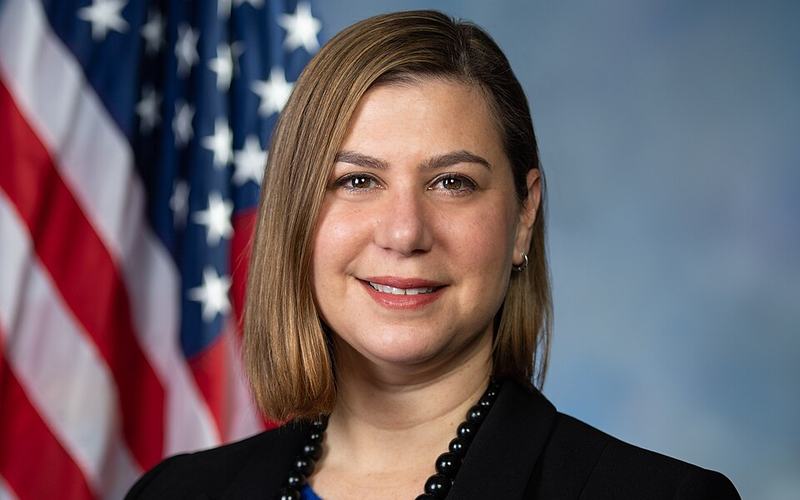
Sen. Elissa Slotkin, a Michigan Democrat, is facing a Senate ethics complaint after making controversial remarks about discouraging young Americans from accepting jobs in President Donald Trump’s administration. The complaint, filed by CASA, calls on the Senate Ethics Committee to investigate whether Slotkin crossed the line from political opposition into intimidation of Americans seeking public service.
Slotkin drew criticism for openly describing her desire to make prospective administration employees fear the consequences of taking a job with the Trump White House. Rather than simply criticizing the president’s policies, she suggested young Americans should think twice before joining his administration because doing so could create problems for them in the future.
“They should be buying myself a ton of problems,” Slotkin said, according to the remarks cited in the complaint. She also made her objective unmistakable: “I want that deterrence message sent.”
The comments have raised questions about the message a sitting U.S. senator is sending to Americans considering public service. Federal government jobs are supposed to be opportunities to serve the country, yet Slotkin openly endorsed a strategy intended to make potential employees think accepting a position under Trump could jeopardize their future.
Her remarks also invite criticism over the difference between holding administration officials accountable for their actions and trying to discourage people from working for a president because of political disagreements. Critics can challenge Trump’s policies without suggesting that young Americans should fear the consequences of entering government service.
CASA is asking the Senate Ethics Committee to examine whether Slotkin’s statements amounted to intimidation rather than legitimate political criticism. The organization argues that her comments warrant scrutiny because they were not merely expressions of opposition to Trump, but an explicit call to send a deterrence message to people considering administration jobs.
The controversy puts Slotkin’s own words at the center of the dispute. By stating that she wanted prospective staffers to anticipate problems and that she wanted the deterrence message delivered, she made clear that discouraging them from joining the administration was part of her objective.
The ethics complaint does not establish that Slotkin violated Senate rules, and the committee would have to determine whether her conduct warrants further action. But the filing raises a serious question about whether elected officials should be using their positions to make Americans wary of serving in a presidential administration simply because they oppose its leadership.

Comments
No comments yet. Be the first to share your thoughts.