
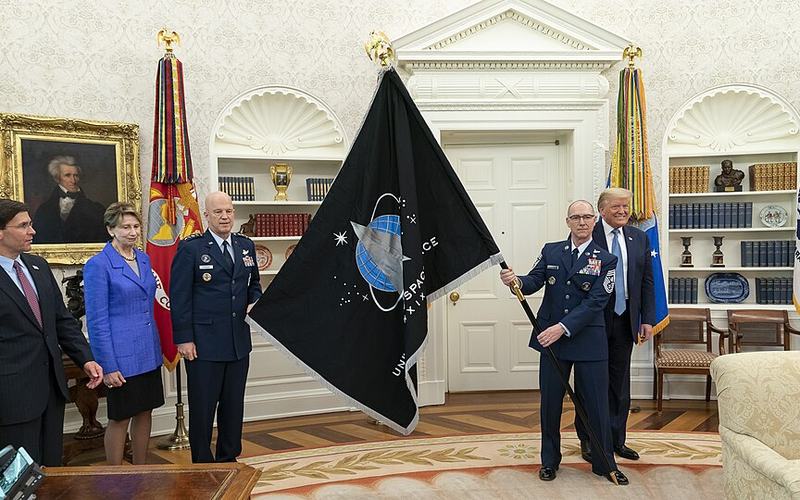
The U.S. Space Force plans to more than double its personnel to approximately 25,000 by 2031, according to reports outlining a major expansion of the military branch responsible for protecting American interests in space.
The proposed growth comes as satellites play an increasingly central role in military operations, supporting communications, navigation, intelligence gathering and the coordination of forces. These capabilities are particularly important in the Middle East, where U.S. forces operate amid persistent regional security threats and rely on space-based systems to monitor developments and support missions across the region.
The Space Force’s command overseeing the Middle East is reportedly expected to grow fivefold, signaling an increased emphasis on space-based support for American operations in the region. The expansion would strengthen the military's ability to provide satellite intelligence, communications and other capabilities to U.S. forces operating in a strategically important area.
Established in 2019, the Space Force is the newest branch of the U.S. military. Its responsibilities include organizing, training and equipping personnel to conduct space operations and protect American space-based assets. As the military becomes more dependent on satellite networks, the service has taken on an increasingly important role in national defense.
Satellites support a wide range of military activities, from helping troops navigate and communicate to providing intelligence that commanders use to assess threats and plan operations. Disruptions to these systems could complicate military coordination, making the protection and continued availability of space-based capabilities a growing priority for the Pentagon.
The buildup also reflects concerns that space is becoming an increasingly contested military domain. Potential adversaries can seek to interfere with satellite communications, disrupt navigation systems or threaten space infrastructure that American forces depend on. Additional personnel would help the Space Force manage these challenges while supporting the growing demands placed on its operations.
The planned increase to approximately 25,000 personnel by 2031 would represent a major expansion of the service's workforce and operational capacity. The reported fivefold growth of its Middle East command would further underscore the importance military planners place on satellite capabilities in the region.
As the United States continues to rely on space-based technology to support its forces around the world, the expansion signals a broader effort to ensure that American military operations can maintain access to critical satellite systems and respond to emerging threats in space.

Comments
No comments yet. Be the first to share your thoughts.