

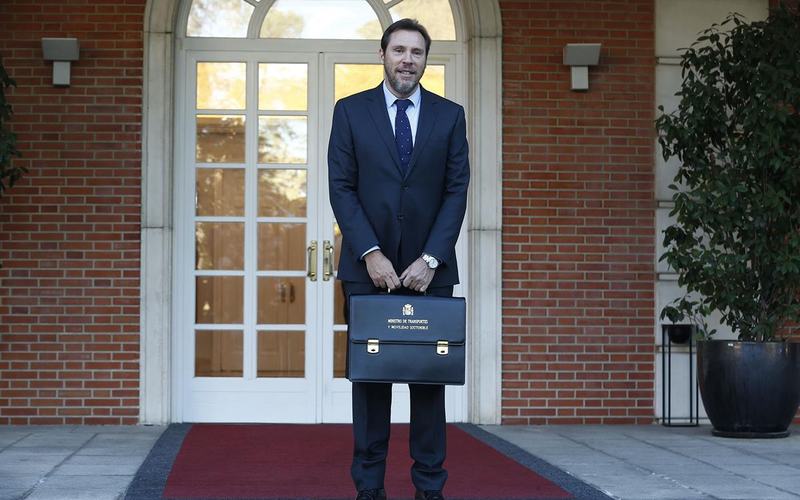
Spain's Transport Minister Óscar Puente resigned on Tuesday evening after facing intense pressure over two deadly rail accidents this year on the country's high-speed network.
Puente announced his decision during a parliamentary hearing, stating that a transport minister in Spain could not remain in office after two accidents of such severity in less than a year. He also withdrew his name from the lists for the early legislative elections scheduled for November 29.
The resignation came six days after a collision on October 28 near Urda, south of Madrid, in which a Renfe-operated high-speed train struck the rear of a stationary Iryo train. The crash killed 69 people and injured more than 200. A preliminary investigation pointed to a combination of human and system errors following a signaling failure.
This marked the second major incident on the Madrid-Seville line in 2026. In January, another collision in Adamuz, Andalusia, claimed 46 lives.
Opposition parties, including the conservative People's Party and Vox, along with some government allies, had demanded Puente's resignation, arguing that public confidence in Spain's rail system had been severely damaged. Prime Minister Pedro Sánchez had previously acknowledged that trust in the network was broken.
During the hearing, Puente outlined new safety measures and an aid package of €30 million for victims and families. Services on the affected line have been reduced pending a full safety review.
The events have highlighted ongoing concerns about rail safety management under the current administration, with critics pointing to repeated failures despite Spain's extensive high-speed infrastructure.

Comments
No comments yet. Be the first to share your thoughts.