
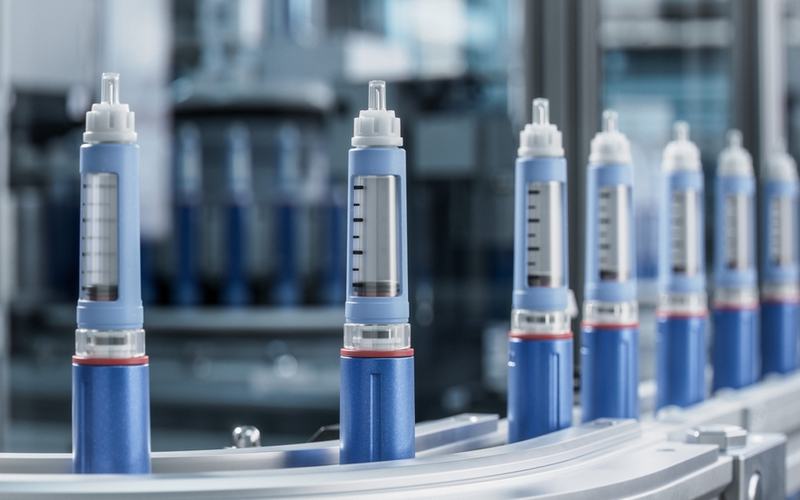
A peer-reviewed study of more than 2,000 children and teenagers found that nearly one in six developed a diagnosed nutritional deficiency or related complication within a year of starting a GLP-1 medication.
Researchers analyzed medical claims for 2,031 patients between ages 10 and 17 who began treatment with a GLP-1 receptor agonist and found that 16.88% received at least one diagnosis related to nutritional deficiency during the following 365 days. The study was published Sept. 17 in Childhood Obesity.
Vitamin D deficiency was by far the most common finding, affecting 12.4% of the patients. Nutritional anemia was diagnosed in 1.55%, while iron-deficiency anemia was recorded in 1.44%.
The researchers said the findings are important because GLP-1 medications can suppress appetite, increase feelings of fullness and slow gastric emptying. For children and adolescents, reduced food intake can have particular implications because adequate calories, protein and micronutrients are needed for growth, puberty, bone development and muscle acquisition.
The study did not establish that GLP-1 medications caused the nutritional deficiencies. Instead, researchers examined patterns in real-world medical claims and identified an association that they said warrants greater attention as use of the medications among young patients expands.
The study also found that nutritional counseling was not common among the children receiving GLP-1 therapy. Only 23.3% had a nutrition therapy or counseling visit within 180 days of beginning treatment, and those who received counseling waited an average of 149 days for their first visit.
The medications examined included liraglutide, dulaglutide, exenatide, lixisenatide and semaglutide. Liraglutide accounted for 78.6% of prescriptions in the study, followed by dulaglutide at 10.4% and semaglutide at 9.1%. The average patient was 15 years old, and 62.6% had an obesity diagnosis.
Semaglutide is sold under several brand names for different approved uses. Ozempic is approved for adults with Type 2 diabetes, while Wegovy is approved for chronic weight management in adults and in pediatric patients ages 12 and older with obesity, alongside diet and physical activity.
The researchers described nutritional deficiencies as a “meaningful and under-recognized risk” and said incorporating more proactive nutrition support into pediatric GLP-1 treatment could help address potential nutritional needs during a critical period of physical development.

Comments
No comments yet. Be the first to share your thoughts.