
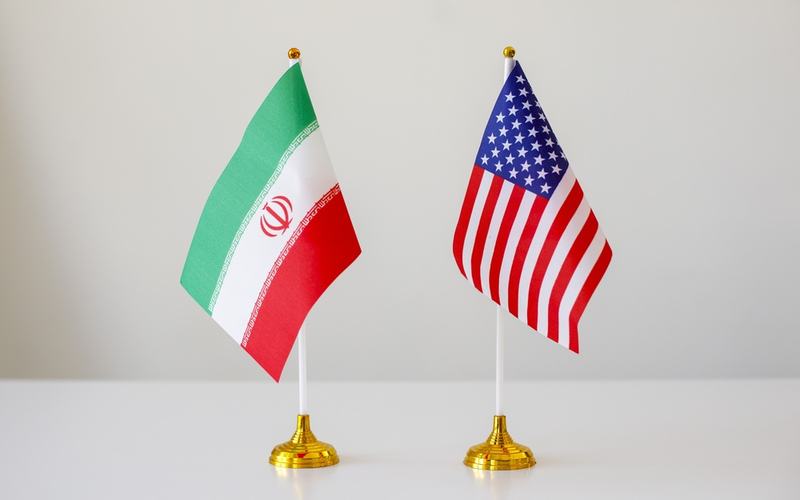
United States and Iranian officials entered the third day of direct talks on Sunday focused on the Strait of Hormuz.
The narrow waterway between Iran and Oman carries roughly one-fifth of global oil shipments. Iranian threats to disrupt traffic through the strait have raised concerns about energy prices and supply stability in recent months.
American negotiators emphasized the need for reliable passage and warned against any attempts to close or restrict the route. Iranian representatives reportedly sought relief from existing sanctions in exchange for guarantees on navigation.
The Strait of Hormuz remains a strategic chokepoint where even temporary closures could affect markets worldwide. Past Iranian statements about blocking the strait have prompted U.S. naval presence in the region to deter such moves.
Talks began Friday in a neutral location after weeks of indirect messaging through intermediaries. Both sides have kept public statements minimal, with no joint communique issued after the first two days.
Energy analysts noted that any agreement would likely include monitoring mechanisms and commitments against interference with commercial shipping. Oil prices showed modest movement on Friday but remained stable over the weekend ahead of further developments.
The current discussions occur against a backdrop of longstanding tensions between Washington and Tehran over nuclear issues and regional influence. U.S. officials have maintained that sanctions relief depends on verifiable steps by Iran to reduce threats to international commerce.
No timeline for conclusion of the talks has been announced. Additional sessions are scheduled for Monday.

Comments
No comments yet. Be the first to share your thoughts.