
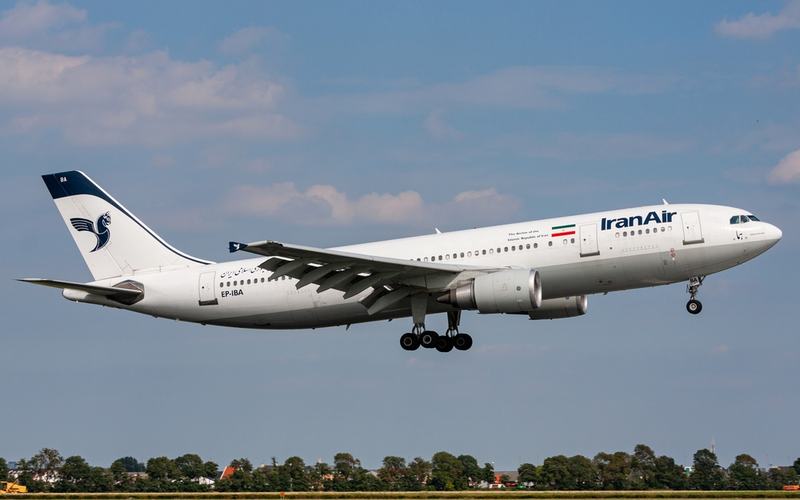
Iranian airlines have begun losing access to international routes after the United States imposed new sanctions designed to cut the country’s carriers off from the foreign services they need to operate overseas.
Flights involving Georgia and Azerbaijan have been suspended, while services to Baghdad in Iraq, Muscat in Oman and Qatar have also been halted, according to Iranian aviation officials and travel agents. Routes to Istanbul, Najaf and Dubai have faced cancellations or uncertainty, although some flights remain scheduled.
The new restrictions took effect Wednesday after Treasury Secretary Scott Bessent warned that foreign companies providing Iranian airlines with fuel, ground handling, ticketing or other services could face U.S. sanctions. Bessent said the administration's goal was to severely restrict Iran's ability to operate internationally, describing the broader campaign as part of an effort to impose "economic D-Day" on Tehran.
The impact has not been uniform. A Mahan Air flight from Tehran reached Guangzhou, China, after the sanctions took effect, while additional service to Shanghai remained scheduled. China has opposed the U.S. measures and called them illegal. Flights involving Turkey, Armenia and Afghanistan also remained possible, although schedules were increasingly unstable.
The uncertainty has already affected passengers and travel agencies. One Tehran travel agent told AFP that the situation was too unstable to continue selling tickets normally because of fears that additional flights could be canceled. Iraqi travel agents have also warned that disruptions could hurt businesses that depend heavily on air travel between Iran and Iraq, particularly routes used by religious pilgrims.
Iran has responded by threatening countries that comply with the American restrictions. Mohsen Rezaei, head of Iran's Supreme National Security Council, warned that countries cooperating with Washington could lose access to Iranian airports, saying Tehran would prevent flights from operating between Iran and those countries.
Iranian authorities have also worked to keep some routes open. Baghdad-bound flights have been redirected toward Najaf, a major destination for Iranian pilgrims, and Iranian media said flights to Najaf were continuing despite uncertainty over the broader Iraq route.
The aviation crackdown comes after years of U.S. sanctions against Iran's airline industry. The Treasury Department announced additional measures earlier this month targeting dozens of entities involved in Iran's aviation network, accusing the industry of helping Tehran move weapons, personnel and illicit cargo.
Iranian President Masoud Pezeshkian, who is in New York for the United Nations General Assembly, has rejected the pressure, saying sanctions and American threats would strengthen resistance inside Iran rather than force Tehran to concede. Meanwhile, the continuing operation of flights to China and several other destinations shows that the effectiveness of the latest restrictions will depend in part on how widely foreign governments and companies enforce them.

Comments
No comments yet. Be the first to share your thoughts.