
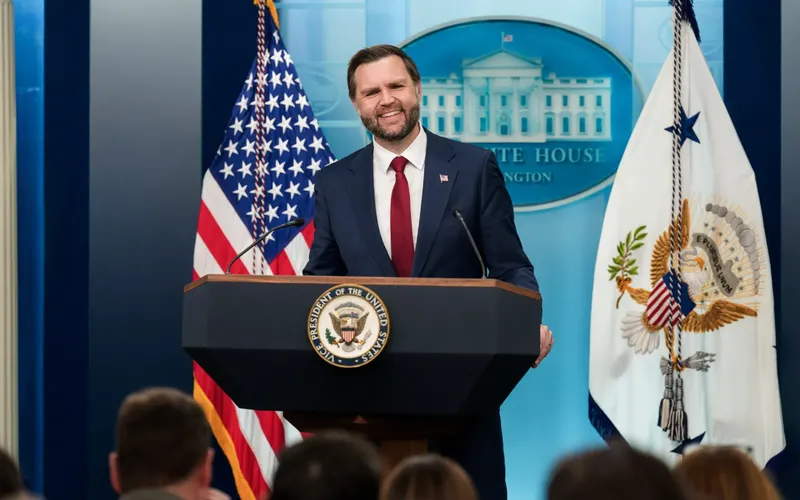
Vice President JD Vance on Wednesday attributed Republicans’ major losses in the 2026 midterm elections to the war with Iran, rising living costs and dissatisfaction among some GOP voters with the United States’ relationship with Israel.
In a lengthy post on X, Vance argued that Republicans did not primarily lose because of poor turnout. Instead, he said many Americans who voted for President Donald Trump and Vance in 2024 participated in the midterms but switched their support to Democratic candidates.
“The main problem is that many people who voted for Trump/Vance in 2024 voted for Democrats in 2026,” Vance wrote.
One of the things the data analysts on our side obsessed over was "composition"—whether the electorate looked close enough to 2024 for Republicans to win. And despite polls that showed a Democrat blowout, the data kept on telling us the same story: in some states turnout was…
— JD Vance (@JDVance) November 4, 2026
The vice president said a pollster he respects had surveyed former Republican voters about what would persuade them to return to the party. According to Vance, the four leading responses were ending the war with Iran, focusing more heavily on the cost of living and inflation, putting “America First,” and changing the country’s relationship with Israel.
Vance pointed directly to the conflict with Iran as the central reason for the Republican defeat, writing, “The reason we lost is the war. The president himself said so last night.”
He was referring to Trump's comments following the election, when the president acknowledged that the Iran conflict had contributed to Republican losses while maintaining that the military campaign was justified. Trump also said he had no regrets about the decision.
Vance further challenged Republicans who believe the war was worth the political consequences, writing: “If you'd like to argue it was worth it, that losing the Senate for the next 6 years was worth it, then do so. Argue it was a worthwhile cost to pay. Agree or disagree, that's at least honest.”
The vice president also acknowledged that the administration's economic messaging was not strong enough during the final stretch of the campaign. He said one pollster had warned that many Trump voters were angry and intended to support Democrats, despite Republican turnout remaining relatively strong.
Vance's comments place the Iran war and the administration's economic and foreign policy decisions at the center of the Republican Party's post-election debate. His remarks also highlight divisions within the GOP over the costs of the conflict and the direction of U.S. policy toward Israel.

Comments
No comments yet. Be the first to share your thoughts.