
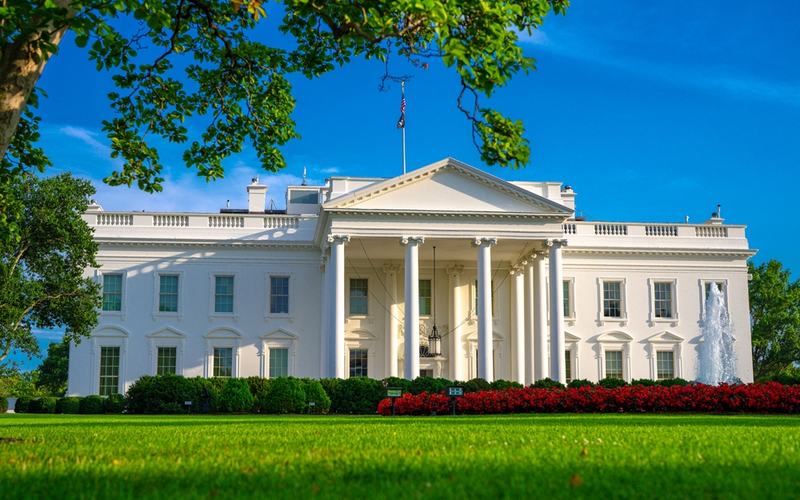
The White House’s Super Intelligence task force adopted its charter Thursday and began a 120-day process to advise President Donald Trump on the federal government’s role in overseeing the rapidly developing technology.
During its first official meeting, the panel agreed to commission a report from the President’s Council of Advisers on Science and Technology examining risks associated with SI, including cybersecurity, critical infrastructure, biosecurity, dual-use applications, model control and accountability.
A White House official said the task force would consult with technology developers, consumer protection organizations, civil liberties advocates, industry representatives and federal and state law enforcement agencies as it develops its recommendations.
The panel also established a working group to implement the White House Accord on Super Intelligence, a voluntary agreement signed by technology executives in September. Director of National Intelligence Jay Clayton, who chairs the task force, will lead the effort alongside National Cyber Director Sean Cairncross.
Defense Undersecretary Emil Michael, serving as a vice chair, will develop protocols for technology laboratories to report security breaches, hacking incidents and other cyber threats to the government. He will also coordinate with leading developers on long-term cooperation between the industry and federal agencies.
Federal Trade Commission Chairman Andrew Ferguson will oversee a committee focused on law enforcement and consumer protection, working with the Justice Department. Office of Personnel Management Director Scott Kupor will lead efforts concerning critical infrastructure and examine the technology’s potential effects on American workers in coordination with the Labor Department.
The task force includes Vice President JD Vance, Treasury Secretary Scott Bessent, Secretary of War Pete Hegseth and Office of Science and Technology Policy Director Michael Kratsios. White House Chief of Staff Susie Wiles and Deputy Chief of Staff Richard Walters are also members.
One potential tool under consideration is the use of export controls, according to a White House official cited by Semafor. The Commerce Department previously imposed temporary export restrictions on Anthropic after the company declined to provide the government with unrestricted access to its models.
The review follows Trump’s September 29 executive order directing federal agencies to replace the term “artificial intelligence” with “super intelligence.” On the same day, approximately two dozen technology executives attended a White House luncheon, where six leading firms signed the voluntary accord that Trump described as “morally binding.”
Clayton, a former chairman of the Securities and Exchange Commission who was confirmed as director of national intelligence over the summer, has emphasized the strategic competition with China as a central concern for the administration.
“The risk of not being first is high,” Clayton told The Wall Street Journal, describing the administration’s priority of keeping the United States ahead of its international rival.
The task force’s recommendations will help shape the administration’s approach to security, accountability and federal oversight as officials weigh how to manage potential risks without undermining the country’s position in the global technology race.

Comments
No comments yet. Be the first to share your thoughts.