
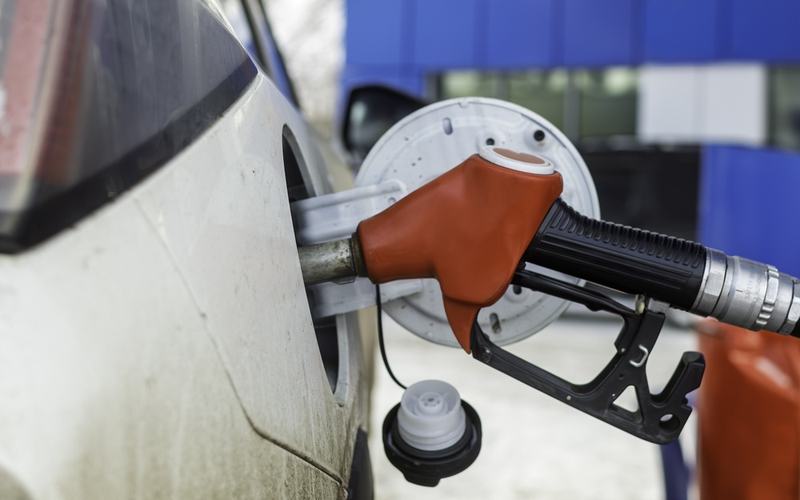
The national average price for regular gasoline reached about $4.15 per gallon Monday, setting a new Labor Day record as higher crude oil costs and ongoing supply disruptions pushed prices higher. AAA listed the national average at $4.1505 on September 7.
The previous Labor Day record was $3.82 per gallon, set in 2012. AAA said ahead of the holiday that the national average had never previously exceeded $4 on Labor Day.
Prices have eased from their 2026 peak of roughly $4.56 in May but remain substantially higher than a year ago. AAA's September 3 data put the national average at $4.1436, compared with $3.1903 a year earlier.
The elevated prices have come as crude oil markets continue to feel the effects of disruptions involving the Strait of Hormuz, a critical route for global energy shipments. The Energy Information Administration estimated that crude oil and petroleum liquids moving through the waterway averaged just 4.9 million barrels per day during the second quarter of 2026, down from 21.6 million barrels per day during the fourth quarter of 2025 before the conflict began.
AAA said the seasonal decline in gasoline demand that normally follows the summer driving season has not produced its usual relief because crude oil remains expensive. The organization noted that continued volatility around the Strait of Hormuz has kept crude prices in the $90-per-barrel range.
Diesel prices have also remained elevated, adding pressure to transportation and shipping costs. Supply constraints have been compounded by refinery disruptions overseas, while U.S. gasoline inventories have remained below typical levels.
Some relief could come later in September as seasonal fuel requirements change. The Environmental Protection Agency has moved up the transition to less expensive winter-blend gasoline, allowing the fuel to be sold beginning September 1 rather than later in the month.
For now, however, drivers are entering the fall with gasoline prices well above last year's levels as disruptions in global energy markets continue to affect the cost of fuel in the United States.

Comments
No comments yet. Be the first to share your thoughts.