
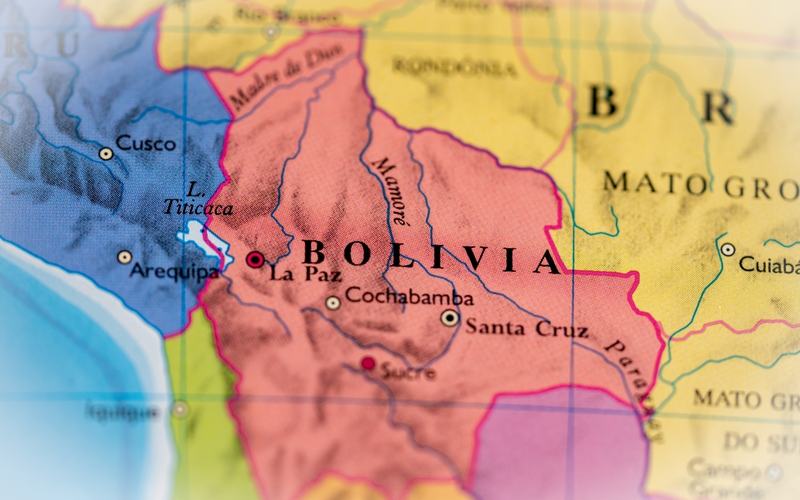
Bolivia has declared a nationwide state of emergency to address the effects of a powerful El Niño weather pattern, often described as a Super El Niño. President Rodrigo Paz signed the decree on Saturday, October 31, enabling quicker access to financial and human resources for affected regions.
The measure responds to ongoing drought that has impacted more than 78,000 families across six of the country's nine departments and caused the loss of over 75,000 cattle. Government reports indicate 63 communities have already declared emergencies due to water shortages. Paz warned that the phenomenon will bring severe impacts from both drought and subsequent floods, calling for cooperation from all institutions including local governments, the armed forces, and police.
The decree, numbered 5759 and published in the official gazette, covers risks including frost, hail, wildfires, floods, and landslides associated with El Niño through 2027. It directs ministers to execute the response and seeks international coordination to mitigate effects on families and economic activities.
El Niño, which warms Pacific Ocean waters, has already shown unusual strength this cycle, with the United Nations noting it could reach unprecedented intensity. Impacts are expected to peak late in 2026 and extend into the following year. Neighboring countries have faced related extremes, such as record rainfall in Chile and wildfires in Peru.
Paz stated that prior environmental efforts aim to minimize the effects, though the government anticipates challenges to agriculture and livestock. The declaration allows deployment of additional rescue teams to hard-hit areas while preparing for the rainy season.
This proactive step comes as global forecasts highlight heightened risks for vulnerable nations from the current El Niño event.

Comments
No comments yet. Be the first to share your thoughts.