

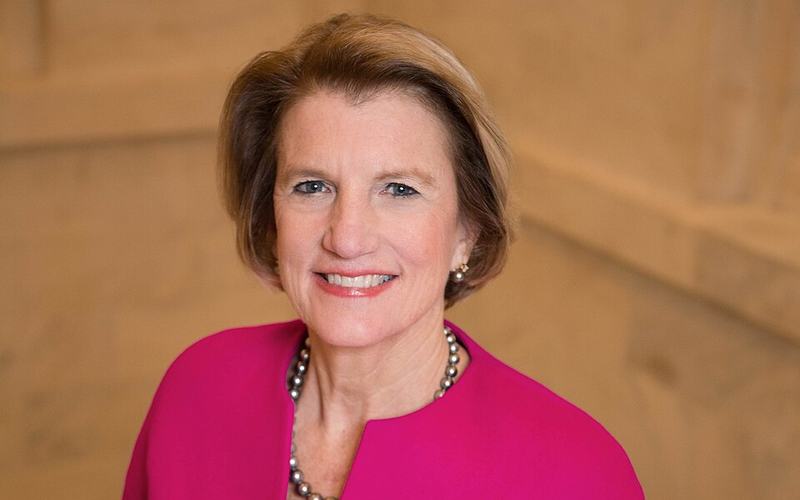
Republican Sen. Shelley Moore Capito has defeated Democrat Rachel Fetty Anderson in West Virginia’s U.S. Senate race, winning a third term and extending her tenure representing the state in Washington. Capito, who first won the seat in 2014, will remain one of West Virginia’s leading voices in Congress as Republicans and Democrats continue competing over the direction of federal policy.
Capito entered the general election with the advantages of incumbency, a substantial fundraising operation and a strong Republican base across the state. She secured the Republican nomination in May, defeating state Sen. Tom Willis and several other challengers. President Donald Trump endorsed Capito, who has served in the Senate since January 2015 and has become a prominent member of the Republican leadership.
Her Democratic opponent, Rachel Fetty Anderson, was a former Morgantown City Council member and deputy mayor who later practiced public interest law. Anderson won a five-way Democratic primary in May, earning the nomination with approximately one-third of the vote. She campaigned on economic concerns, health care access, environmental protections and what she described as the influence of corporate donors over federal policy.
The general-election campaign centered on competing visions for West Virginia’s economy and its role in national politics. Capito emphasized her work on infrastructure, energy development and economic investment, arguing that her seniority and committee leadership gave her the ability to deliver results for the state. She chairs the Senate Environment and Public Works Committee and holds a leadership position among Senate Republicans.
Anderson sought to make the election a referendum on Capito’s voting record and her support for Republican legislation. She criticized the incumbent over federal spending priorities, health care policy and the effects of legislation backed by President Trump. Anderson also advocated for expanded health care coverage, reproductive rights and stronger environmental protections.
The candidates also clashed over energy and the cost of living. Capito promoted domestic energy production and permitting reform, arguing that West Virginia’s natural resources should play a larger role in meeting American energy demand. Anderson pointed to the state’s position as a major energy producer alongside its comparatively low household incomes, arguing that residents should see greater economic benefits from the industries operating in their communities.
Capito’s campaign held a substantial financial advantage throughout the contest. Federal campaign finance reports through October 14 showed her campaign had raised approximately $5.4 million, compared with roughly $165,000 for Anderson.
Before joining the Senate, Capito represented West Virginia’s 2nd Congressional District in the House from 2001 to 2015 and served in the West Virginia House of Delegates. She made history in 2014 when she became the first woman elected to represent West Virginia in the U.S. Senate. Her reelection extends a political career spanning three decades.
Anderson’s defeat leaves Democrats without a victory in West Virginia’s Senate race since former Sen. Jay Rockefeller won reelection in 2008. The state has shifted decisively toward Republicans in recent federal elections, with President Trump carrying West Virginia by a wide margin in 2016, 2020, and 2024.
Capito’s victory secures her another six-year term beginning in January 2027, allowing her to continue serving as one of the most senior Republican lawmakers representing Appalachia.

Comments
No comments yet. Be the first to share your thoughts.