
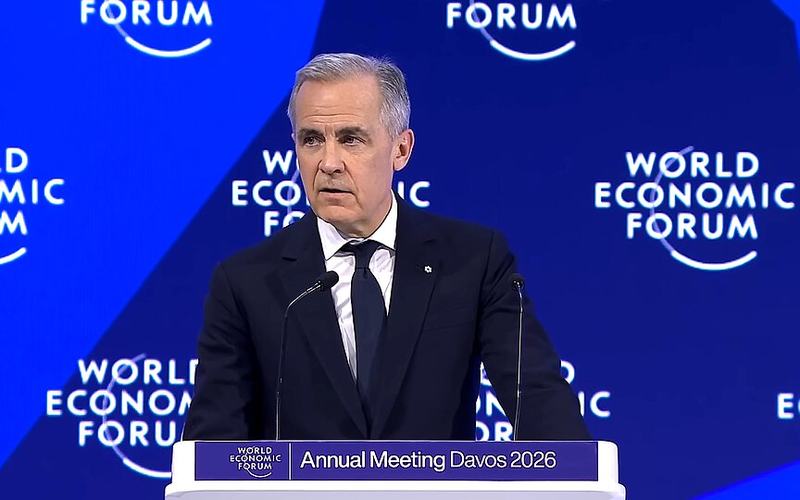
Canadian Prime Minister Mark Carney welcomed the European Union's proposal for his country to become the bloc's first associate member during an address to the European Parliament in Strasbourg on Thursday. He emphasized that closer ties would protect Canada's sovereignty and economic independence.
Carney stated that the partnership aims to ensure no country can control Canada's markets, impair its sovereignty or undermine its freedoms. He described Canada and Europe as stronger together in facing geopolitical challenges, while stressing that the arrangement would not involve full EU membership.
The proposal originated from European Commission President Ursula von der Leyen in her state of the union address the previous day. She invited Canada to open the door to this new status, which would deepen cooperation without altering existing treaties.
Carney outlined potential areas for collaboration, including critical minerals, defense industrial capacity, energy security through liquefied natural gas and hydrogen exports, artificial intelligence, and space technology. He also suggested expanding people-to-people ties via programs like Erasmus+ for students and young professionals.
The move comes as Canada navigates trade tensions with the United States. Carney framed the alliance as a means to bolster strategic autonomy and resilience for both sides, without creating a rival power bloc. He noted that any final agreement would require debate and a vote in Canada's parliament.
Existing free trade agreements between Canada and the EU provide a foundation for expanded ties. Polls indicate strong Canadian public support for closer European relations. Carney reiterated that the focus remains on complementary partnerships that reinforce rather than diminish national sovereignty.

Comments
No comments yet. Be the first to share your thoughts.