
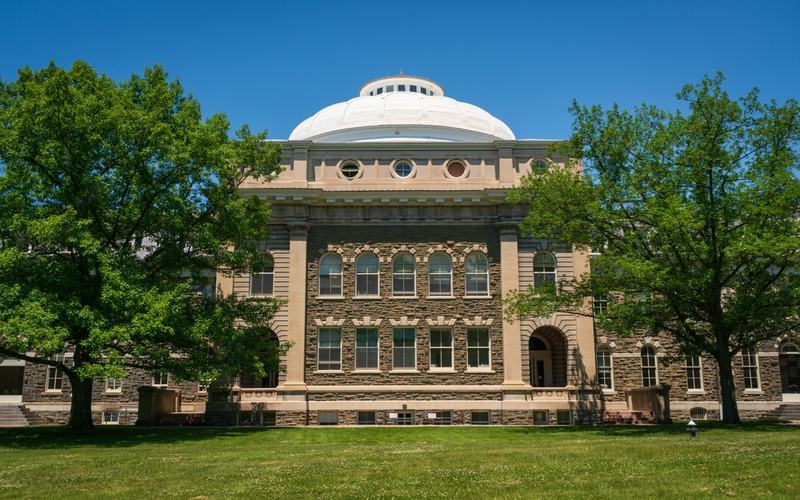
Cornell University announced Tuesday that it is banning parties and social events at fraternity houses for the rest of the academic year while promising changes to how sexual assault allegations are investigated and handled.
The decision follows a lawsuit filed by a former student identified as Jane Doe, who alleges she was gang-raped at a fraternity house in October 2024. The case has triggered mounting criticism of the Ivy League university’s handling of her allegations and raised questions about whether campus officials and law enforcement adequately investigated her account.
Cornell President Michael Kotlikoff acknowledged the university’s shortcomings in a letter to the campus community. “I am deeply sorry for the harm Jane Doe suffered in 2024, and appalled that this act of sexual violence occurred within our Cornell community,” Kotlikoff wrote.
The prohibition covers parties and social events at fraternity houses and comes just days before the university’s Homecoming weekend. Approximately one-third of Cornell students participate in Greek life, making the restrictions a significant change to campus social activities. Anne Smalling, chair of Cornell’s board of trustees, described the decision as an opportunity to reset the university’s approach to student social life. “It’s incumbent on us to try and find other ways for these kids to engage in social settings,” Smalling said.
The university also pledged to hire independent, trauma-informed sexual assault investigators and add staff to its civil rights office. The changes follow criticism of how Cornell’s campus police documented Doe’s allegations and communicated with prosecutors. According to the account of the investigation, campus police interviewed Doe at length in November 2024, but a six-page summary provided to the district attorney omitted her statement that she was “100 percent certain” she had been raped.
Tompkins County District Attorney Matthew Van Houten initially declined to prosecute and turned down an offer from police to review additional evidence. He reopened the case in late September after Doe filed her lawsuit. New York Attorney General Letitia James subsequently took over the investigation at the request of Democratic Gov. Kathy Hochul.
Van Houten has pointed to Doe’s sworn 2024 statement, which he said characterized her drug use and sexual conduct that night as “voluntary, conscious, and consensual.” That account conflicts with the allegations in her later lawsuit. No criminal charges have been filed against the men accused in the case, and they deny wrongdoing.
The controversy also follows Cornell’s internal Title IX proceedings. After 12 days of hearings in March 2025, the university expelled two men, suspended two others and required three more to write reflection papers. The fraternity involved, Chi Phi, remains prohibited from operating on campus. Meanwhile, Cornell’s faculty senate has given notice of a rare no-confidence resolution against the university administration.
The party ban and proposed investigative reforms represent Cornell’s latest response to a case that has drawn scrutiny from students, faculty, state officials and the public. The criminal investigation remains ongoing, and the allegations have not resulted in criminal convictions

Comments
No comments yet. Be the first to share your thoughts.