
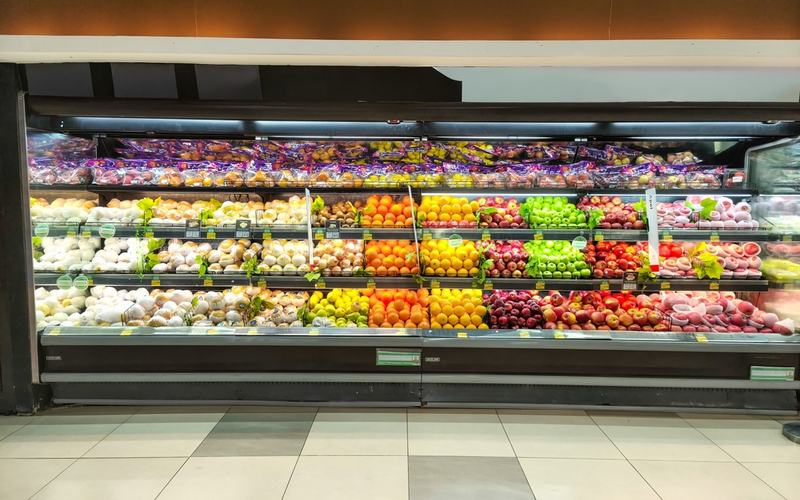
Supermarkets across Europe are investigating suspected cyberattacks after hackers apparently gained access to refrigeration systems and altered temperature settings at dozens of grocery stores overnight from Sunday into Monday. The incidents have affected retailers in Belgium, Luxembourg, Sweden, Ireland, Estonia and Finland, with some freezer temperatures reportedly climbing as high as 50 degrees Celsius, or 122 degrees Fahrenheit.
Among the affected businesses are major retail chains including Delhaize, Carrefour, Colruyt, ICA, Coop and SuperValu. The disruptions have forced stores to remove refrigerated and frozen products from sale, discard spoiled food and temporarily close certain locations while technicians inspect and repair the affected equipment.
In Belgium, Carrefour reported that approximately 15 of its 700 stores experienced problems with refrigeration systems. Colruyt Group said five stores had their systems affected, while IKEA also reported an incident at one of its Belgian locations. Ahold Delhaize, the parent company of Delhaize supermarkets, confirmed an overnight IT incident affecting refrigeration equipment at multiple stores in Belgium and Luxembourg.
Ireland's Musgrave Group, which operates SuperValu supermarkets, reported that refrigeration systems at 13 stores were affected. The company removed certain chilled and frozen products from sale as a precaution while investigating the incident. Distribution centers and deliveries were not affected, according to the company.
Sweden also experienced disruptions at grocery stores operated by ICA and Coop. Coop confirmed that six of its approximately 800 stores were affected by unauthorized interference with refrigeration systems. At one ICA location in Stockholm, a store manager said the freezers reached approximately 50 degrees Celsius, destroying large quantities of food. One Belgian butcher estimated that the incident cost his business approximately 15,000 euros in spoiled meat.
Authorities in Estonia also investigated an incident involving a supermarket refrigeration computer. Technology supplier Kitman Coldtech said temperatures at an affected location had been raised to approximately 50 degrees Celsius. Technicians reportedly stopped the disruption within minutes, preventing more extensive damage. In Finland, several smaller grocery stores reported unusual temperature changes, although investigators had not established whether those incidents were caused by cyberattacks.
The suspected attacks appear to involve remote access to refrigeration control systems, which allow technicians to monitor and adjust temperatures across multiple refrigerators and freezers through internet-connected equipment. Belgian refrigeration company Sabcobel's chief executive, Stephan Moelans, said attackers had accessed the systems and switched refrigeration units into defrost mode, causing temperatures to rise.
Some of the affected equipment uses technology manufactured by Danish company Danfoss, which was also implicated in a similar series of attacks in France last month. Older refrigeration controllers have become a particular concern because some legacy systems no longer receive software or security updates. Danfoss has said it identified security vulnerabilities in certain equipment and has urged customers to update supported systems and replace outdated technology.
The latest incidents follow a major cyberattack in France on October 12, when hackers reportedly manipulated refrigeration systems at hundreds of supermarkets. French police said the attacks affected as many as 700 stores, with temperatures in some units rising above 50 degrees Celsius. Retailers including Carrefour, Intermarché, Coopérative U and Monoprix were among those affected, forcing businesses to dispose of large quantities of meat, dairy products and frozen food. Some stores also reported fires connected to the incidents.
The repeated disruptions have raised concerns about the vulnerability of essential infrastructure within Europe's food distribution network. Supermarkets increasingly rely on remotely managed systems to control refrigeration, heating, security cameras, alarms and other building equipment. While these technologies allow businesses to monitor operations more efficiently, outdated software, exposed devices and inadequate security protections can create opportunities for unauthorized access.
Cybersecurity officials in several countries are investigating the latest incidents, but no group has claimed responsibility. Authorities have not established whether the attacks across Europe are connected to one another or to the earlier incidents in France. Investigators also have not identified who is responsible.
The European Commission has warned that attacks targeting refrigeration systems threaten more than individual businesses because they can disrupt food distribution and undermine public confidence in the food supply. The incidents also highlight how cyberattacks against ordinary commercial equipment can produce significant physical and economic consequences without directly targeting a government computer network.
For now, affected retailers are working with cybersecurity specialists and equipment suppliers to secure their systems, disconnect vulnerable refrigeration units from the internet where necessary, and restore normal operations. Investigations remain underway as authorities attempt to determine how the attackers gained access and whether additional supermarkets remain vulnerable.

Comments
No comments yet. Be the first to share your thoughts.