

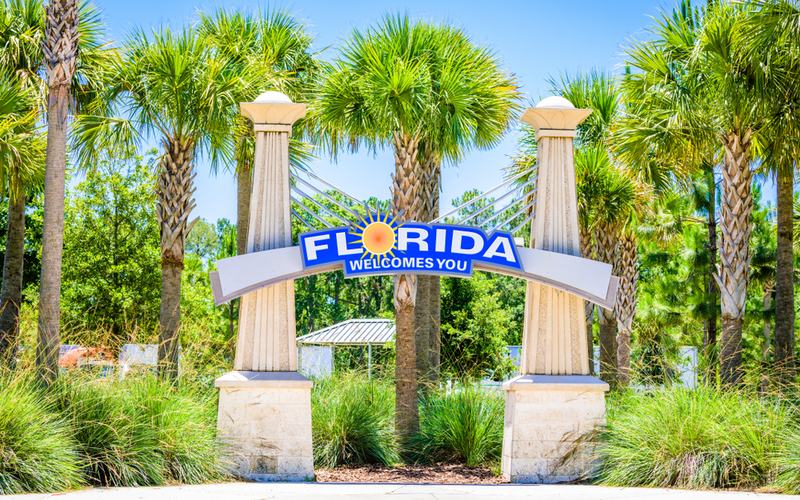
Florida voters approved Amendment 3 on Tuesday, a constitutional change that significantly expands the homestead property tax exemption for owner-occupied homes and limits growth in assessments on other properties. The measure received approximately 62 percent of the vote, clearing the 60 percent threshold required for passage.
Amendment 3 increases the non-school homestead exemption from the current $50,000 level to $150,000 in 2027 and $250,000 in 2028, with subsequent adjustments for inflation. The expanded exemption does not apply to property taxes that fund public schools. It also lowers the annual cap on assessment increases for non-homestead properties, including commercial and rental properties, from 10 percent to 5 percent. New Florida residents who were not residents as of the end of 2026 face a five-year residency requirement before receiving the full increased exemption. The changes take effect January 1, 2027.
Gov. Ron DeSantis, who championed the measure and campaigned for it across the state, framed it as necessary relief for homeowners facing rising costs. He argued that local government property tax collections have nearly doubled in recent years, rising from roughly $33 billion in 2019 to about $62 billion more recently, growth he said far outpaced inflation and population increases.
DeSantis rejected warnings from some local officials that the revenue reductions would force cuts to essential services. Pointing to earlier years with lower collections, he asked whether communities lacked police, fire protection, or other core services in 2019. He described local opposition as fear-mongering and contended that governments could prioritize core functions with the remaining revenue, which he said would still leave collections near recent levels in many cases. He also pledged to work with the Legislature on potential state assistance for fiscally constrained communities if needed.
The amendment was placed on the ballot by the Republican-controlled Legislature after a special session. It was sponsored by Rep. Toby Overdorf and advanced amid broader discussion of housing affordability and property tax burdens driven by rising real estate values. DeSantis had originally proposed an even larger immediate increase in the exemption, but the final version phased the change and excluded school taxes.
Opponents, including some local government officials, public safety groups, and others, warned that the measure could reduce local non-school property tax revenue by an estimated $4.9 billion in the first year and potentially more than $11 billion annually once fully implemented. They argued this could lead to service cuts, higher fees, or shifts of tax burdens onto non-homestead properties such as rentals and commercial buildings. Two other measures on the ballot failed to reach the 60 percent threshold.
With the measure’s passage, Florida homeowners who qualify are expected to see reduced non-school property tax bills beginning with the 2027 tax year.

Comments
No comments yet. Be the first to share your thoughts.