
Voter concerns over persistently high prices have emerged as the dominant theme in the final push before the November 3 midterm elections.
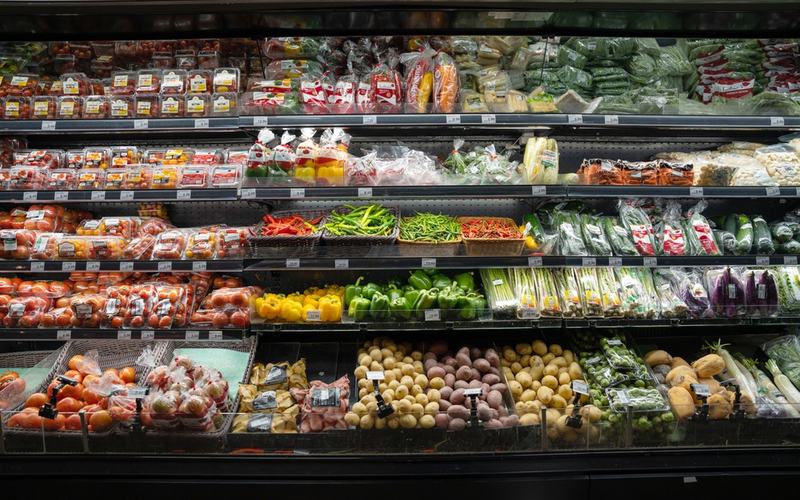
Polls consistently rank the cost of living as the top issue, with half of registered voters in a recent Reuters/Ipsos survey identifying it as the most important factor in their vote. Gas prices have climbed to a national average of $4.28 per gallon, up $1.20 from a year earlier, following the U.S. and Israeli strikes on Iran earlier this year. Grocery costs rose 1.8 percent over the past year, while home prices increased 2.1 percent.
Inflation stands at 3.7 percent annually, with mortgage rates remaining above 7 percent. Democrats have spent nearly half a billion dollars on ads highlighting the economy, prices, and inflation, according to AdImpact data. The party is tying the increases directly to President Donald Trump's tariffs and the conflict with Iran.
Republicans counter that the broader economy shows strength compared to conditions two years ago, pointing to the ongoing AI-driven expansion as a key positive factor even as it contributes to some price pressures. They argue that fundamentals remain solid despite the pocketbook pain felt by many households.
The issue has put Republican candidates on defense in competitive races, with Democrats favored in several House contests and holding a chance to flip the Senate. Analysts note that while prices rose sharply during the pandemic era, recent accelerations tied to energy costs have intensified voter dissatisfaction heading into Election Day.

Comments
No comments yet. Be the first to share your thoughts.