
The House of Representatives passed a three-year extension of Section 702 of the Foreign Intelligence Surveillance Act on Wednesday, securing the future of a key national security tool hours before its scheduled expiration. The measure passed 235-191 after Speaker Mike Johnson negotiated with GOP holdouts to overcome intraparty resistance.
Section 702 authorizes U.S. intelligence agencies to collect communications from foreign targets located abroad without individual warrants, though it often captures Americans' data incidentally. Supporters, including House Intelligence Ranking Member Jim Himes, called it the nation's most vital foreign intelligence authority, citing instances where it saved lives. The program underpins much of the intelligence gathered by agencies like the NSA and FBI.
The vote reflected a bipartisan coalition, with 42 Democrats joining most Republicans, while 22 Republicans and nearly all other Democrats opposed it. Opposition stemmed from privacy advocates demanding warrants for queries on Americans' communications and concerns over past abuses. Rep. Jamie Raskin described it as a "three-year permission slip" for surveillance of U.S. citizens. Rep. Veronica Escobar highlighted ongoing risks to civil liberties despite recent fixes.
House GOP leaders incorporated reforms building on 56 changes from the 2024 reauthorization, including supervisor approvals for FBI queries on Americans, monthly reporting to oversight bodies, heightened penalties for misuse up to five years in prison, and expanded reviews by the Office of the Director of National Intelligence. House Judiciary Chairman Jim Jordan noted improved FBI compliance, with only 127 of over 9,000 U.S. person queries non-compliant recently.
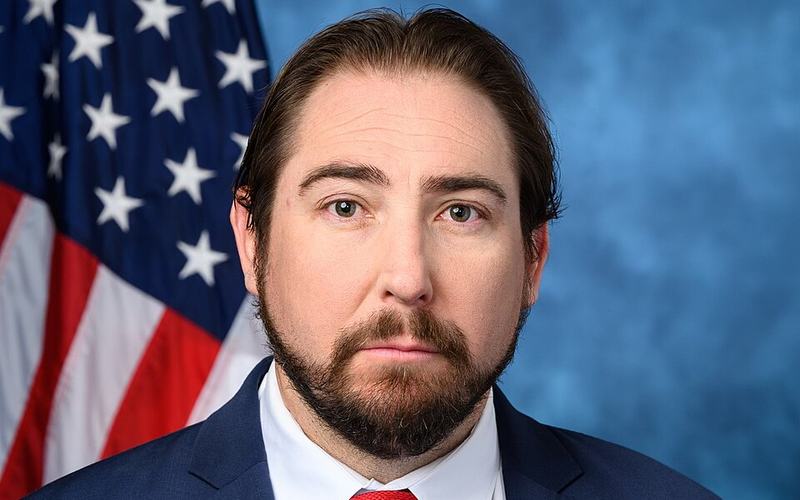
The passage followed weeks of turmoil, including a failed five-year proposal and an 18-month alternative. A 10-day stopgap enacted April 17 bought time amid earlier Republican defections. Johnson flipped votes from holdouts like Reps. Anna Paulina Luna, Andy Biggs, and Eli Crane after hours of huddles. The bill also attached a ban on Federal Reserve digital currency issuance, drawing fire from fiscal conservatives over unrelated E15 gasoline provisions.
The measure now faces Senate hurdles. Majority Leader John Thune declared it "dead on arrival" due to the digital currency provision and signaled a short-term 45-day extension instead. Senators plan adjustments before the midnight Thursday deadline to prevent a lapse in surveillance capabilities. Himes urged bipartisan Senate action for stronger oversight without impairing security.

Comments
No comments yet. Be the first to share your thoughts.