
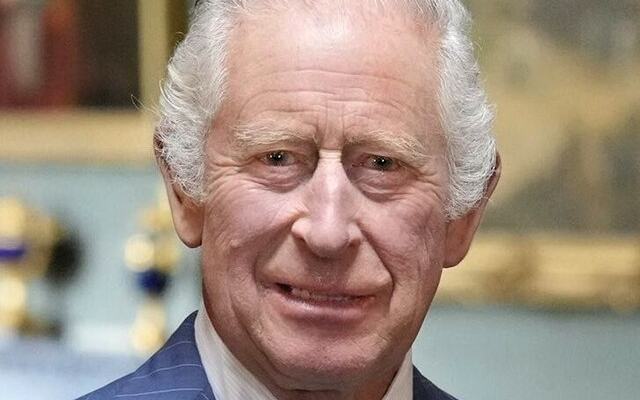
King Charles III has issued a rare response to a forthcoming memoir by Princess Diana's brother after the book alleged that the monarch told him his former wife would be forgotten following her 1997 death.
Charles Spencer, the 9th Earl Spencer, makes the claim in Swan Song: Diana, My Sister, which is scheduled for release September 22. Spencer says the remark came during a heated phone conversation with the then-Prince Charles over plans for Diana's funeral.
According to excerpts from the memoir, Spencer objected to Princes William and Harry, then 15 and 12, walking behind their mother's coffin during the funeral procession. Spencer says Charles defended the decision before allegedly telling him, “Rest assured, we'll forget her soon enough.” Spencer describes being stunned by the comment and ending the conversation.
Buckingham Palace responded with an unusually pointed statement, saying the King is “mindful that the pain of fraternal grief can cloud reason, affect judgment and color memory in ways others do not recognize.” The Palace did not directly call Spencer's account false, but the statement clearly challenged the reliability of memories formed during profound grief and recalled decades later.
Diana married Charles in 1981, and the couple divorced in 1996. She died at age 36 in a Paris car crash on August 31, 1997. Her death sparked an enormous public outpouring of grief, while Charles Spencer delivered a highly publicized eulogy at her funeral that criticized the pressures surrounding his sister and the royal family.
Spencer's new memoir revisits Diana's life and the final days surrounding her death from the perspective of her younger brother. The book's publisher describes it as Spencer's personal account of Diana's life, marriage, death and legacy, written ahead of the 30th anniversary of her death in 2027.
The dispute puts a decades-old royal family conflict back into the spotlight just days before the memoir's publication. For now, Spencer stands by his account, while Buckingham Palace has pointed to the possibility that grief may have affected his recollection of the conversation.

Comments
No comments yet. Be the first to share your thoughts.