
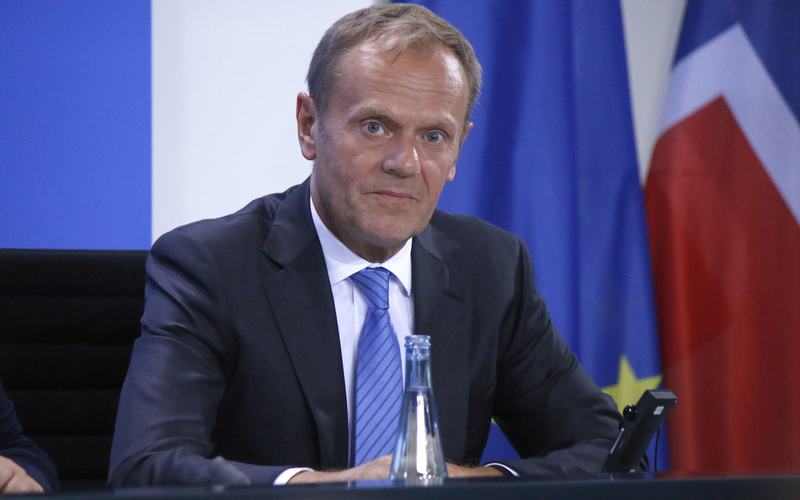
Poland has joined the Anti-Ballistic Missile Coalition, a group of European nations working with Ukraine to develop an integrated defense system against ballistic missiles. Prime Minister Donald Tusk made the announcement on Friday during a summit of Carpathian countries hosted by Ukrainian President Volodymyr Zelenskiy in western Ukraine.
Tusk stated that Poland is now part of the project and that the forms and frameworks of cooperation have been agreed upon. The coalition, originally formed in July by Ukraine along with Denmark, France, Germany, Italy, the Netherlands, Norway, Spain, Sweden, and the United Kingdom, aims to create a European alternative to the U.S. Patriot system that is both effective and more affordable.
The initiative focuses on jointly developing capabilities to counter ballistic missile threats, described by participants as purely defensive. Poland's entry brings the total membership to 11 countries. Tusk also confirmed a new significant package of aid for Ukraine during the visit, though details were not disclosed.
Zelenskiy welcomed Poland's participation, noting the two nations share a common enemy in Russian aggression. He expressed confidence that the coalition would deliver results, including systems that could be tested this year.
Poland had initially remained outside the founding group amid discussions over industrial contributions from its defense sector. Tusk had previously indicated that Polish companies were evaluating options for involvement. The coalition remains open to additional partners aligned with its objectives.
This development strengthens Europe's collective air and missile defenses at a time of heightened threats from Russian forces. Poland, located on NATO's eastern flank, brings substantial military expertise and industrial capacity to the effort. The move aligns with broader European initiatives to enhance self-reliance in defense production while supporting Ukraine's fight against invasion.
Tusk reiterated Poland's consistent commitment to aiding Ukraine, stating that history should not divide the nations in facing Russian threats today. The announcement came alongside the launch of a new regional grouping known as the Carpathian Eight, involving eight nations focused on regional cooperation.

Comments
No comments yet. Be the first to share your thoughts.