
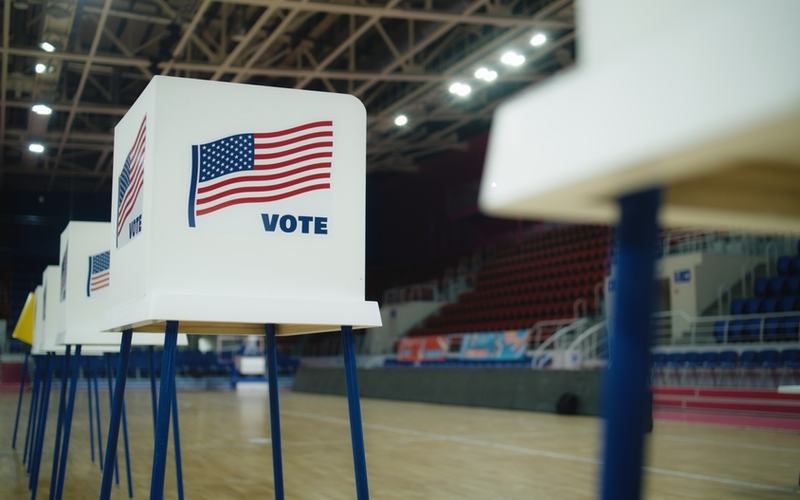
Polls began closing Tuesday evening across the eastern United States as voters decided the makeup of Congress and numerous state offices in the 2026 midterm elections.
Several states with early closing times, including parts of the Northeast and Southeast, reported initial turnout data by 7 p.m. Eastern. Election officials in Virginia and Georgia noted steady lines at many precincts throughout the day.
The contests carry significant stakes for the balance of power in Washington. Republicans entered the day defending a narrow House majority and seeking gains in the Senate. Democrats aimed to flip seats in competitive districts and states where economic concerns and border security ranked high among voter priorities.
Key Senate races in states such as Ohio, Texas, Michigan and North Carolina are under the national spotlight. House districts in suburban areas around major cities also featured tight contests shaped by local issues including inflation, crime, and education policy.
Voter turnout appeared robust in several battleground areas, consistent with patterns seen in recent high-stakes elections. Campaigns from both parties had spent heavily on advertising focused on economic performance and federal spending.
Beyond congressional control, voters weighed in on gubernatorial races and state legislative seats that will influence redistricting and policy implementation at the state level for years to come. These outcomes determine how federal initiatives are carried out on issues such as energy production, education standards, and public safety measures.
Results from the first states to report are expected shortly after polls closed, with fuller pictures emerging later in the evening from western states. Officials in multiple states urge patience as mail ballots and early votes underwent counting.
The outcome of these elections will influence legislative priorities for the remainder of the presidential term, including appropriations, regulatory oversight, and judicial confirmations. Analysts noted that divided government could lead to continued gridlock on major spending bills, while unified control might accelerate action on tax policy and immigration enforcement.
Historical midterm trends show the president's party often faces headwinds, though specific dynamics this cycle centered on pocketbook issues and national security concerns that resonated differently across regions.

Comments
No comments yet. Be the first to share your thoughts.