
Russian authorities announced today that they successfully repelled a series of cyberattacks on the country's electronic voting systems amid the second day of parliamentary elections for the State Duma.
Central Election Commission Chairwoman Ella Pamfilova stated that the online voting system in Moscow faced a powerful and continuous assault overnight from Friday into Saturday. She described the attacks as large-scale and intense, yet confirmed that the system continued to operate normally without interruption.
Officials also reported a separate sabotage attempt on communication lines in Russia's Far East, which the digital ministry said was thwarted with all services restored. Pamfilova noted that cyberattacks were ongoing but being successfully countered across affected areas.
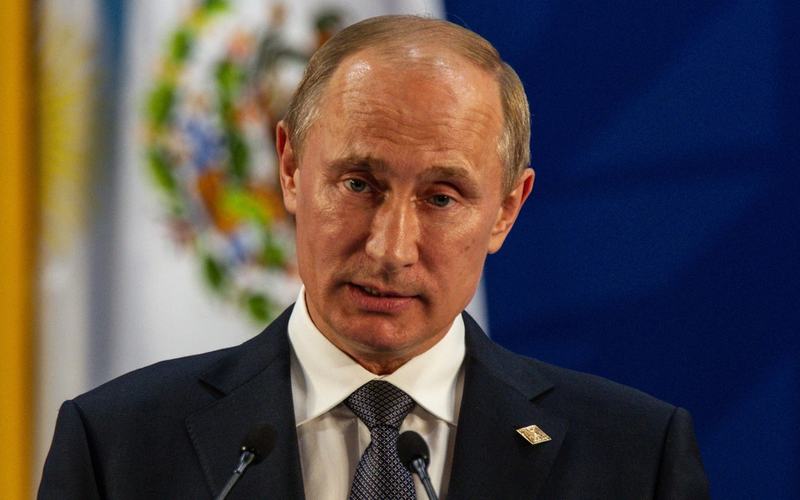
President Vladimir Putin had previously accused Ukraine of attempting to interfere with the vote, though no evidence was provided. The three-day election, running from September 18 to 20, represents the first parliamentary vote since Russia's full-scale invasion of Ukraine in 2022.
Nationwide turnout reached 32.58 percent as of midday local time on Saturday, according to Central Election Commission data. The elections are widely viewed as a Kremlin effort to demonstrate public backing for its policies, including the ongoing conflict in Ukraine.
Some reports noted the absence of independent confirmation of the cyberattacks' scale or origins. Russian state media emphasized the resilience of the voting infrastructure despite the attempts.
The parliamentary elections will determine all 450 seats in the lower house, with the ruling United Russia party expected to maintain its dominant position. Voting in occupied Ukrainian territories has also drawn international attention and disputes.
Pamfilova highlighted an increase in the number, intensity, and sophistication of such attacks compared to the 2024 presidential election. Technical teams worked around the clock to defend the systems, particularly in Moscow, where remote electronic voting saw higher participation.
The developments occur against the backdrop of Russia's ongoing military operation in Ukraine, now in its fifth year, with the elections serving as a key indicator of domestic support.

Comments
No comments yet. Be the first to share your thoughts.