
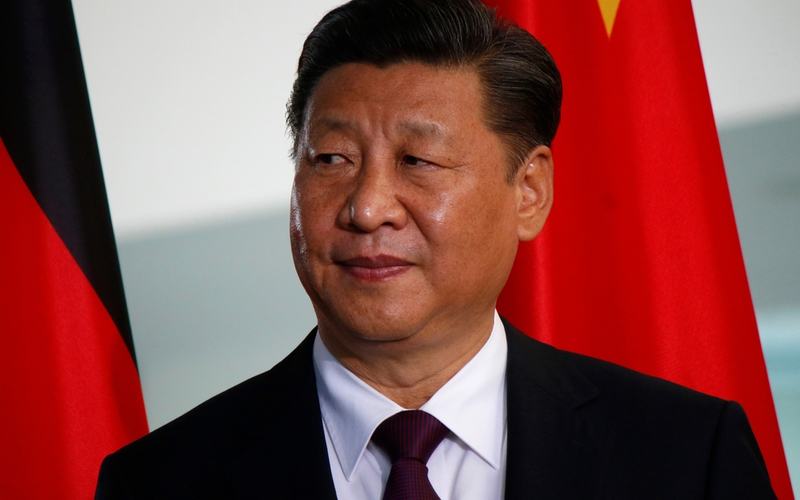
President Donald Trump will host Chinese leader Xi Jinping at the White House on September 24 for their second summit this year, with artificial intelligence expected to dominate discussions amid deepening strategic competition.
Recent reports indicate that both nations view AI as central to their long-term power, yet they diverge sharply on development pace and safeguards. Trump has repeatedly stressed that the United States must win the AI race, describing it as more significant than oil or the internet, and has rejected calls to slow frontier model advancement. He has also backed tighter export controls on advanced semiconductors to limit China's access.
Xi has framed accelerated AI development as essential for China's global technological edge. Chinese officials have pushed back against U.S. restrictions, accusing Washington of extraterritorial overreach while facing American allegations that Chinese firms are copying U.S. AI models on an industrial scale.
The May meeting in Beijing produced an agreement to open government-to-government AI talks, but progress has stalled. Preparations for formal safety channels remain uncertain, with conflicting signals from U.S. agencies about mid-September discussions. Analysts note that mutual distrust complicates any meaningful limits, as both sides prioritize competitive advantage over restraint.
Trump has dismissed AI safety concerns raised by some industry figures as overstated, arguing that self-imposed slowdowns would hand advantages to Beijing. Chinese statements acknowledge risks such as loss of control but pair them with proposals that avoid binding constraints favored by Washington.
Beyond AI, the agenda includes extending a tariff truce tied to rare earth mineral flows and potential Chinese purchases of U.S. goods. Trade imbalances, Taiwan stability, and the ongoing Iran conflict also feature in preparatory talks. The summit follows Xi's first White House visit in a decade and comes as both leaders navigate domestic pressures.
Observers expect limited concrete outcomes on AI governance, with the primary value lying in maintaining direct communication channels. U.S. officials continue to emphasize technological superiority as the foundation for national security in this domain.

Comments
No comments yet. Be the first to share your thoughts.